
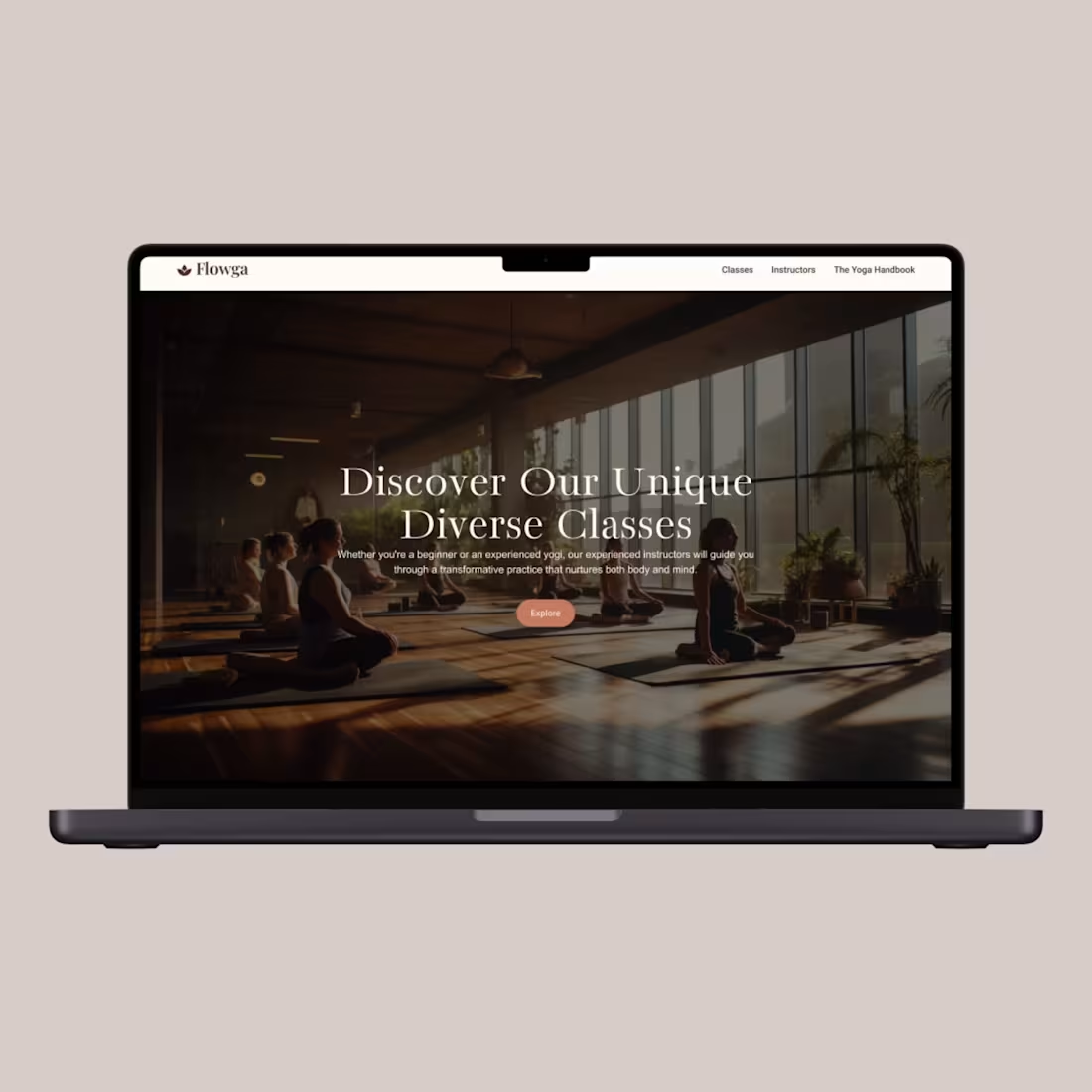
Webflow WebsiteAlison Oentoro
Phase 1: Initial Consultation and Analysis
Client Meeting: Schedule a meeting with the client to understand their business goals, target audience, and branding preferences.
Current Website Analysis: Evaluate the existing website (if any) to identify strengths, weaknesses, and areas for improvement.
Competitor Analysis: Research competitors' websites to understand industry standards and identify opportunities for differentiation.
Client Input Session: Gather client input on their vision for the new website, preferred features, and any specific requirements.
Website Planning Session: Organize a planning session to discuss the structure, features, and functionalities of the new website. Define goals and key performance indicators (KPIs).
Phase 2: Website Design + Development
Strategy Approval: Present a strategy document outlining the proposed website structure, design elements, and development approach. Seek client approval before proceeding.
Design Concept: Create initial design concepts for the website, including wireframes and mockups. Collaborate with the client for feedback and revisions.
Development Platform Selection: Choose the appropriate development platform based on the client's needs and preferences (e.g., WordPress, custom CMS, etc.).
Development Kickoff: Initiate the website development process, ensuring adherence to the approved strategy and design concepts.
Regular Updates: Provide regular updates to the client during the development phase, allowing for feedback and adjustments as needed.
Quality Assurance: Conduct thorough testing to ensure the website functions correctly across different devices and browsers.
Client Training: If necessary, provide training to the client on how to manage and update the website content.
Website Launch: Deploy the website to the live environment after final client approval.
Post-Launch Support (Optional)
Maintenance and Support: Offer ongoing maintenance and support services to address any issues, implement updates, and ensure the website's optimal performance.
Analytics Setup: Assist the client in setting up website analytics to track performance and user behavior.
Feedback Session: Schedule a post-launch feedback session to discuss the website's performance and address any additional needs or concerns.
What's included
Full Website
Webflow website with full interaction, hosting and SEO optimization
Alison's other services
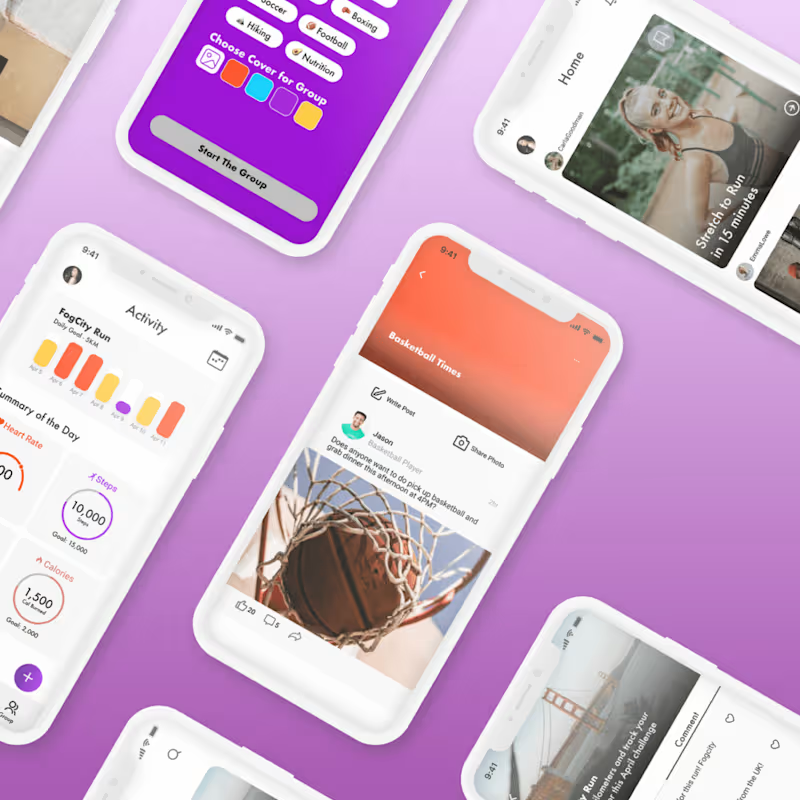



Webflow WebsiteAlison Oentoro
Contact for pricing
Tags
Figma
Webflow
Webflow Developer
Phase 1: Initial Consultation and Analysis
Client Meeting: Schedule a meeting with the client to understand their business goals, target audience, and branding preferences.
Current Website Analysis: Evaluate the existing website (if any) to identify strengths, weaknesses, and areas for improvement.
Competitor Analysis: Research competitors' websites to understand industry standards and identify opportunities for differentiation.
Client Input Session: Gather client input on their vision for the new website, preferred features, and any specific requirements.
Website Planning Session: Organize a planning session to discuss the structure, features, and functionalities of the new website. Define goals and key performance indicators (KPIs).
Phase 2: Website Design + Development
Strategy Approval: Present a strategy document outlining the proposed website structure, design elements, and development approach. Seek client approval before proceeding.
Design Concept: Create initial design concepts for the website, including wireframes and mockups. Collaborate with the client for feedback and revisions.
Development Platform Selection: Choose the appropriate development platform based on the client's needs and preferences (e.g., WordPress, custom CMS, etc.).
Development Kickoff: Initiate the website development process, ensuring adherence to the approved strategy and design concepts.
Regular Updates: Provide regular updates to the client during the development phase, allowing for feedback and adjustments as needed.
Quality Assurance: Conduct thorough testing to ensure the website functions correctly across different devices and browsers.
Client Training: If necessary, provide training to the client on how to manage and update the website content.
Website Launch: Deploy the website to the live environment after final client approval.
Post-Launch Support (Optional)
Maintenance and Support: Offer ongoing maintenance and support services to address any issues, implement updates, and ensure the website's optimal performance.
Analytics Setup: Assist the client in setting up website analytics to track performance and user behavior.
Feedback Session: Schedule a post-launch feedback session to discuss the website's performance and address any additional needs or concerns.
What's included
Full Website
Webflow website with full interaction, hosting and SEO optimization
Alison's other services
Contact for pricing