
Business Operations ManagerRoe Garrino
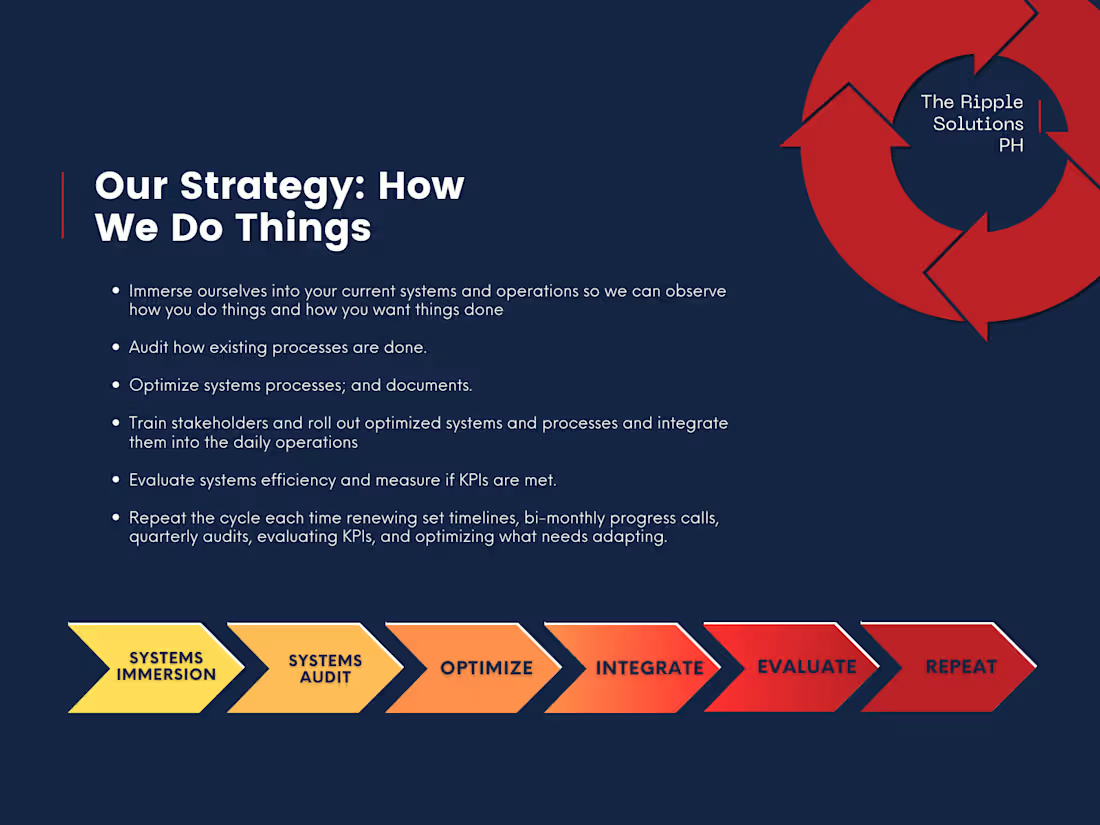
As an operations manager, I offer comprehensive expertise in optimizing business processes, enhancing efficiency, and driving continuous improvement initiatives to meet organizational goals. My unique approach lies in combining strategic planning with hands-on execution, leveraging data-driven insights and fostering collaboration across teams to achieve sustainable results. With a focus on innovation and adaptability, I excel in navigating complex operational challenges while maintaining a customer-centric mindset to deliver value at every stage.
What's included
Operations Manager Deliverables
Efficiency Improvement Plans: Develop strategies to enhance operational efficiency across various departments or processes within the organization.
Performance Metrics: Establish key performance indicators (KPIs) and metrics to measure the performance of different operational areas.
Budget Management: Manage budgets and financial resources allocated to operations, ensuring cost-effectiveness and adherence to financial targets.
Process Optimization: Identify opportunities for process improvement and implement measures to streamline workflows and increase productivity.
Supply Chain Management: Oversee the procurement, logistics, and inventory management processes to ensure a smooth supply chain operation.
Quality Control: Implement quality control measures to maintain high standards of products or services delivered by the organization.
Risk Management: Develop and implement strategies to mitigate operational risks and ensure business continuity.
Team Management: Supervise and support operational teams, providing leadership, training, and guidance as needed to achieve departmental objectives.
Project Management: Coordinate and manage operational projects from initiation to completion, ensuring deadlines are met and objectives are achieved.
Stakeholder Communication: Maintain effective communication with stakeholders, including senior management, department heads, and external partners, to keep them informed of operational progress and challenges.
Compliance Monitoring: Ensure compliance with relevant regulations, industry standards, and internal policies within the operational framework.
Technology Integration: Identify opportunities to leverage technology solutions to improve operational efficiency and effectiveness.
Customer Satisfaction: Monitor and improve customer satisfaction levels by addressing operational issues and implementing feedback-driven improvements.
Continuous Improvement Initiatives: Foster a culture of continuous improvement within the organization by encouraging feedback, implementing best practices, and driving innovation in operations.
Reporting and Analysis: Generate regular reports and analysis on operational performance, trends, and areas for improvement, providing insights to inform decision-making processes.
Roe's other services
Starting at$60 /hr
Tags
ClickUp

Google Sheets

Slack

Trello

Typeform

Operations Lead
Operations Manager
Project Manager
Service provided by
Roe Garrino Philippines
Business Operations ManagerRoe Garrino
Starting at$60 /hr
Tags
ClickUp
Google Sheets
Slack
Trello
Typeform
Operations Lead
Operations Manager
Project Manager
As an operations manager, I offer comprehensive expertise in optimizing business processes, enhancing efficiency, and driving continuous improvement initiatives to meet organizational goals. My unique approach lies in combining strategic planning with hands-on execution, leveraging data-driven insights and fostering collaboration across teams to achieve sustainable results. With a focus on innovation and adaptability, I excel in navigating complex operational challenges while maintaining a customer-centric mindset to deliver value at every stage.
What's included
Operations Manager Deliverables
Efficiency Improvement Plans: Develop strategies to enhance operational efficiency across various departments or processes within the organization.
Performance Metrics: Establish key performance indicators (KPIs) and metrics to measure the performance of different operational areas.
Budget Management: Manage budgets and financial resources allocated to operations, ensuring cost-effectiveness and adherence to financial targets.
Process Optimization: Identify opportunities for process improvement and implement measures to streamline workflows and increase productivity.
Supply Chain Management: Oversee the procurement, logistics, and inventory management processes to ensure a smooth supply chain operation.
Quality Control: Implement quality control measures to maintain high standards of products or services delivered by the organization.
Risk Management: Develop and implement strategies to mitigate operational risks and ensure business continuity.
Team Management: Supervise and support operational teams, providing leadership, training, and guidance as needed to achieve departmental objectives.
Project Management: Coordinate and manage operational projects from initiation to completion, ensuring deadlines are met and objectives are achieved.
Stakeholder Communication: Maintain effective communication with stakeholders, including senior management, department heads, and external partners, to keep them informed of operational progress and challenges.
Compliance Monitoring: Ensure compliance with relevant regulations, industry standards, and internal policies within the operational framework.
Technology Integration: Identify opportunities to leverage technology solutions to improve operational efficiency and effectiveness.
Customer Satisfaction: Monitor and improve customer satisfaction levels by addressing operational issues and implementing feedback-driven improvements.
Continuous Improvement Initiatives: Foster a culture of continuous improvement within the organization by encouraging feedback, implementing best practices, and driving innovation in operations.
Reporting and Analysis: Generate regular reports and analysis on operational performance, trends, and areas for improvement, providing insights to inform decision-making processes.
Roe's other services
$60 /hr