
SEO Writing for Complex & Controversial TopicsGood Luck
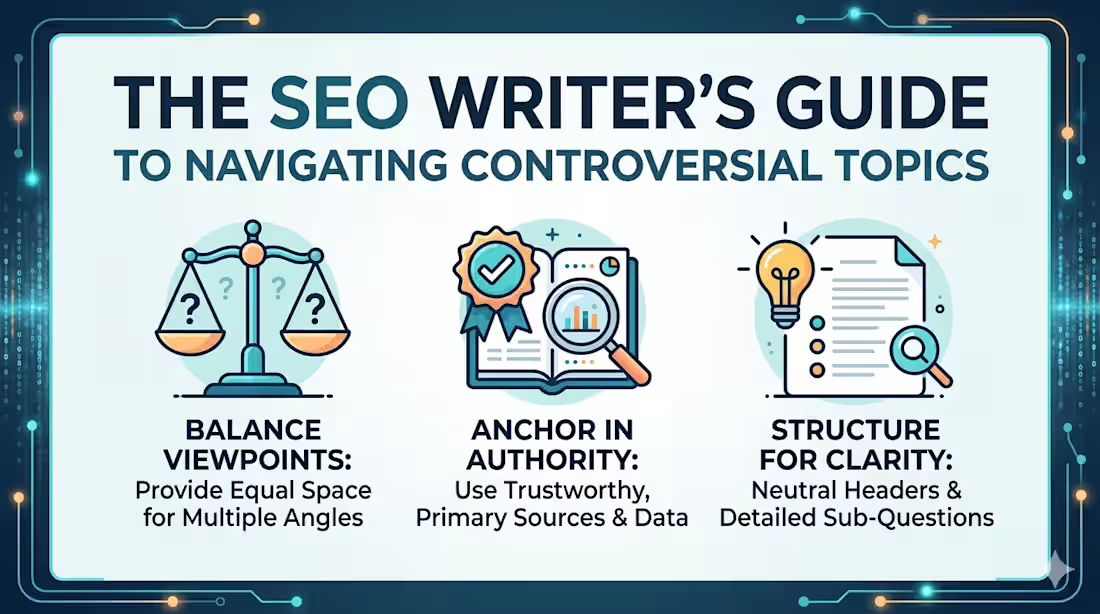
As an SEO writer specialized in handling controversial questions, I must balance neutrality, search intent, and structural clarity.
Here is a comprehensive skill framework tailored to addressing controversial topics, along with the precise sub-questions needed to structure the content effectively.
Core Philosophy of Controversial SEO Writing
Absolute Neutrality: Present all mainstream viewpoints without bias or taking sides.
Authority and Citations: Rely strictly on high-authority sources, data, and direct quotes.
Search Intent Fulfillment: Answer the query directly and immediately to reduce bounce rates.
De-escalation Tone: Use objective, matter-of-fact language. Avoid emotional or loaded words.
The Structural Blueprint (Sub-Questions to Fill)
To write a comprehensive, high-ranking article on a controversial topic, your content structure must answer these specific sub-questions:
1. The Core Definition (The "What")
What is the core debate? Define the topic simply and objectively in the first 2-3 sentences.
Why is it controversial? Explain the underlying values, stakes, or data conflicts driving the disagreement.
What is the history of this issue? Provide brief context on how the controversy started and evolved.
2. Viewpoint A: The Proponents / Side 1 (The "Arguments For")
What is the main argument for Side A? State their primary thesis clearly.
What data, laws, or evidence support Side A? List 2-3 verifiable facts or studies used by this side.
Who are the key figures or organizations backing this view? Identify notable authorities to provide context.
3. Viewpoint B: The Opponents / Side 2 (The "Arguments Against")
What is the main argument for Side B? State their primary counter-thesis.
What data, laws, or evidence support Side B? List 2-3 verifiable facts or studies used by this side.
What are the primary criticisms of Side A's stance? Explain where the two sides directly clash.
4. The Nuance & Common Ground (The "Grey Area")
Where do both sides agree? Find shared values, goals, or accepted facts (e.g., "Both sides agree that the current system needs reform, but disagree on the method").
What are the cultural, economic, or geographic variations? Explain how perspectives change based on location, demographics, or context.
What are the unresolved questions? Highlight ongoing studies or upcoming legal decisions that could change the landscape.
5. SEO & User Experience Elements (The "Search Value")
What are the top People Also Ask (PAA) questions? Address 3-4 highly searched, related micro-questions using dedicated H3 headers.
What is the consensus among major governing bodies? If applicable, state the official stance of organizations like the UN, WHO, or the Supreme Court.
Step-by-Step Writing Workflow
Direct Answer First: Start the article with a direct, neutral summary. Do not make the reader scroll to find out what the debate is about.
Equal Weight: Give roughly equal word count and prominence to both sides of the argument to signal objectivity to both readers and search engine algorithms.
Neutral Headers: Use descriptive, non-biased headers. (e.g., Use "Arguments Supporting X" instead of "Why X is Right").
Schema Markup: Use the FAQ schema for the PAA section to maximize your chances of winning rich snippets on search engine results pages (SERPs).
FAQs
Example work

Starting at$50
Duration3 days
Tags
Copywriter
SEO Writer
Technical Writer
Service provided by
Good Luck Lagos Harbour 102272, Nigeria
SEO Writing for Complex & Controversial TopicsGood Luck
As an SEO writer specialized in handling controversial questions, I must balance neutrality, search intent, and structural clarity.
Here is a comprehensive skill framework tailored to addressing controversial topics, along with the precise sub-questions needed to structure the content effectively.
Core Philosophy of Controversial SEO Writing
Absolute Neutrality: Present all mainstream viewpoints without bias or taking sides.
Authority and Citations: Rely strictly on high-authority sources, data, and direct quotes.
Search Intent Fulfillment: Answer the query directly and immediately to reduce bounce rates.
De-escalation Tone: Use objective, matter-of-fact language. Avoid emotional or loaded words.
The Structural Blueprint (Sub-Questions to Fill)
To write a comprehensive, high-ranking article on a controversial topic, your content structure must answer these specific sub-questions:
1. The Core Definition (The "What")
What is the core debate? Define the topic simply and objectively in the first 2-3 sentences.
Why is it controversial? Explain the underlying values, stakes, or data conflicts driving the disagreement.
What is the history of this issue? Provide brief context on how the controversy started and evolved.
2. Viewpoint A: The Proponents / Side 1 (The "Arguments For")
What is the main argument for Side A? State their primary thesis clearly.
What data, laws, or evidence support Side A? List 2-3 verifiable facts or studies used by this side.
Who are the key figures or organizations backing this view? Identify notable authorities to provide context.
3. Viewpoint B: The Opponents / Side 2 (The "Arguments Against")
What is the main argument for Side B? State their primary counter-thesis.
What data, laws, or evidence support Side B? List 2-3 verifiable facts or studies used by this side.
What are the primary criticisms of Side A's stance? Explain where the two sides directly clash.
4. The Nuance & Common Ground (The "Grey Area")
Where do both sides agree? Find shared values, goals, or accepted facts (e.g., "Both sides agree that the current system needs reform, but disagree on the method").
What are the cultural, economic, or geographic variations? Explain how perspectives change based on location, demographics, or context.
What are the unresolved questions? Highlight ongoing studies or upcoming legal decisions that could change the landscape.
5. SEO & User Experience Elements (The "Search Value")
What are the top People Also Ask (PAA) questions? Address 3-4 highly searched, related micro-questions using dedicated H3 headers.
What is the consensus among major governing bodies? If applicable, state the official stance of organizations like the UN, WHO, or the Supreme Court.
Step-by-Step Writing Workflow
Direct Answer First: Start the article with a direct, neutral summary. Do not make the reader scroll to find out what the debate is about.
Equal Weight: Give roughly equal word count and prominence to both sides of the argument to signal objectivity to both readers and search engine algorithms.
Neutral Headers: Use descriptive, non-biased headers. (e.g., Use "Arguments Supporting X" instead of "Why X is Right").
Schema Markup: Use the FAQ schema for the PAA section to maximize your chances of winning rich snippets on search engine results pages (SERPs).
FAQs
Example work
$50