
Logo DesignEmily Alcalá
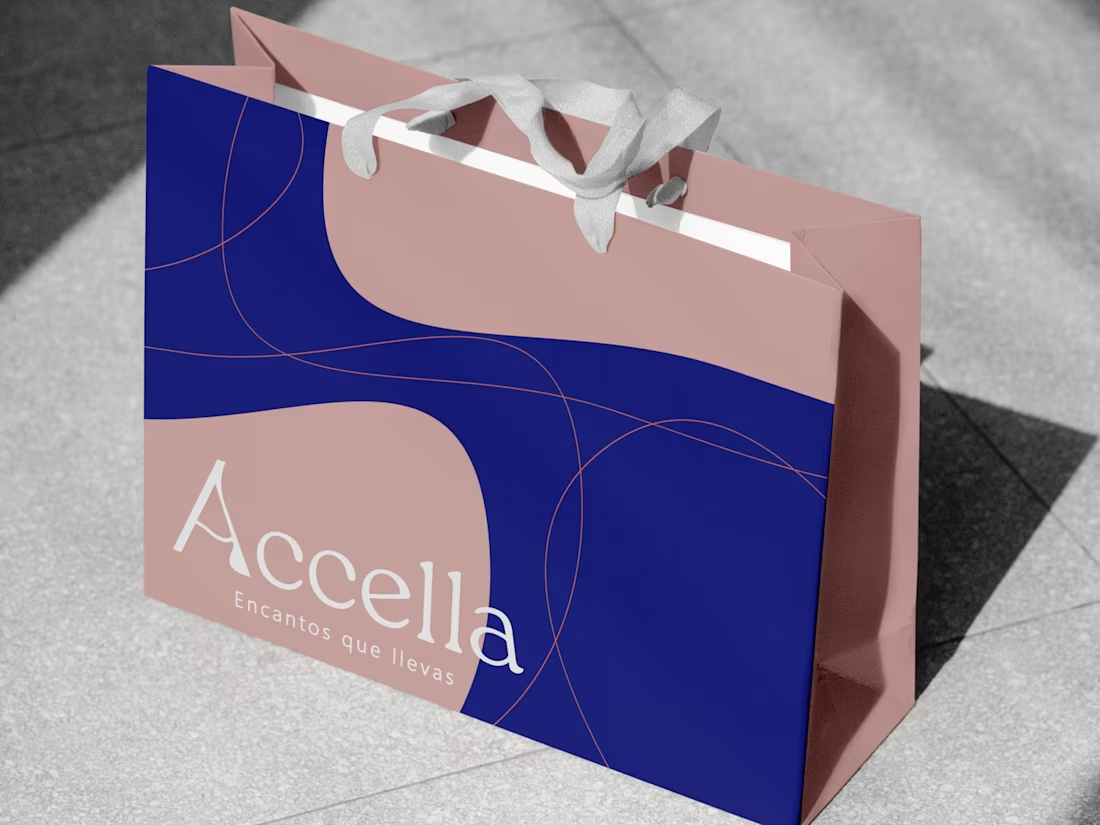
I offer comprehensive logo deliverables tailored to meet your branding needs. The package includes versatile vector and raster file formats, ensuring seamless integration across various platforms.
What's included
✨Logo Deliverable Essentials✨
1. Vector Files:
- Adobe Illustrator (AI) file: This is the original vector file that can be edited in Adobe Illustrator.
- EPS (Encapsulated PostScript) file: A widely supported vector file format that can be resized without loss of quality.
2. Raster Files:
- PNG (Portable Network Graphics): A raster file format with a transparent background, suitable for web use.
- JPEG (Joint Photographic Experts Group): A raster file format commonly used for photographs and web graphics.
- TIFF (Tagged Image File Format): High-quality raster file format often used for printing.
3. Color Variations:
- Full-color version: The standard version of the logo in its original color scheme.
- Black and white version: A version of the logo rendered in grayscale for use in situations where color is limited.
- Monochrome version: A single-color version of the logo, often used for printing on items like stationery or merchandise.
4. Sizes:
- Various sizes of each file format, optimized for different use cases (e.g., large for signage, small for social media avatars).
5. Usage Guidelines:
- A document outlining guidelines for logo usage, including minimum size requirements, clear space, and acceptable color variations.
- Font names and specifications if applicable.
- Any additional information on how to properly use the logo, such as what background it should be placed on or whether alterations are allowed.
Emily's other services
Starting at$250
Duration1 week
Tags
Adobe Illustrator
Logo Designer
Service provided by
Emily Alcalá Dominican Republic
Logo DesignEmily Alcalá
Starting at$250
Duration1 week
Tags
Adobe Illustrator
Logo Designer
I offer comprehensive logo deliverables tailored to meet your branding needs. The package includes versatile vector and raster file formats, ensuring seamless integration across various platforms.
What's included
✨Logo Deliverable Essentials✨
1. Vector Files:
- Adobe Illustrator (AI) file: This is the original vector file that can be edited in Adobe Illustrator.
- EPS (Encapsulated PostScript) file: A widely supported vector file format that can be resized without loss of quality.
2. Raster Files:
- PNG (Portable Network Graphics): A raster file format with a transparent background, suitable for web use.
- JPEG (Joint Photographic Experts Group): A raster file format commonly used for photographs and web graphics.
- TIFF (Tagged Image File Format): High-quality raster file format often used for printing.
3. Color Variations:
- Full-color version: The standard version of the logo in its original color scheme.
- Black and white version: A version of the logo rendered in grayscale for use in situations where color is limited.
- Monochrome version: A single-color version of the logo, often used for printing on items like stationery or merchandise.
4. Sizes:
- Various sizes of each file format, optimized for different use cases (e.g., large for signage, small for social media avatars).
5. Usage Guidelines:
- A document outlining guidelines for logo usage, including minimum size requirements, clear space, and acceptable color variations.
- Font names and specifications if applicable.
- Any additional information on how to properly use the logo, such as what background it should be placed on or whether alterations are allowed.
Emily's other services
$250