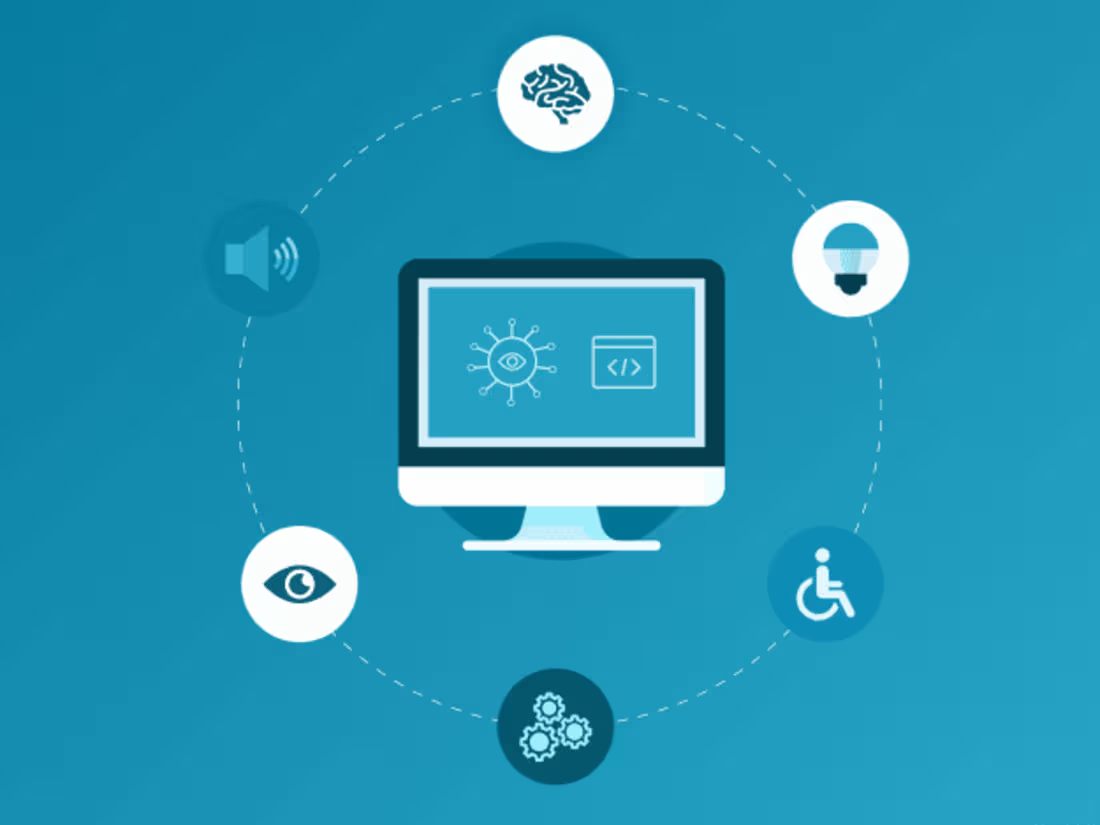
Accessibility is becoming more and more important. I've passed IDX courses & certifications of accessibility UX design and testing, and happy to help websites to become more accessible.
FAQs
Everyone can benefit. We understand that not everyone can allocate resources for a full manual audit, so we offer a range of solutions. This includes micro-audits, automated tools, including AI-driven options, and Human-in-the-Loop tools that can scan and partially improve websites, even if they won't undergo a full manual audit. However, for large websites or for organizations striving for excellence, compliance with standards (essential for government or education contracts), or those who want to ensure their websites are accessible to all users, a manual audit is the optimal choice. Additionally, audits can help businesses mitigate the risk of lawsuits, which is a growing concern for organizations of all sizes.
An accessibility audit is typically conducted by an accessibility expert, usually a person with a Design or Quality Assurance background. Ralabs engineers passed special training how-to completed accessability testing, e.g. IDF Accessibility course. In some cases, multiple individuals may collaborate in the auditing process, and also persons with disabilities.
Accessibility laws, like the ADA or the Unruh Civil Rights Act in California, do not explicitly mandate that businesses must conduct accessibility audits. However, it's important to note that these laws are often interpreted to require websites to be accessible.
Conducting a full accessibility audit is not typically within the capabilities of the average or even advanced user. It usually requires the expertise of an accessibility professional. It's important to note that while automated methods can be helpful, their results may not be as thorough and comprehensive as those achieved through a manual audit.
It depends on amount of pages and compliences required to follow. In general, the auditing process usually spans between 5 and 30 business days. However, for a more precise estimate, we would need to evaluate your specific requirements or scope. The duration of the audit can vary based on several factors, such as the quantity and complexity of the pages being audited.
Accessibility is becoming more and more important. I've passed IDX courses & certifications of accessibility UX design and testing, and happy to help websites to become more accessible.
FAQs
Everyone can benefit. We understand that not everyone can allocate resources for a full manual audit, so we offer a range of solutions. This includes micro-audits, automated tools, including AI-driven options, and Human-in-the-Loop tools that can scan and partially improve websites, even if they won't undergo a full manual audit. However, for large websites or for organizations striving for excellence, compliance with standards (essential for government or education contracts), or those who want to ensure their websites are accessible to all users, a manual audit is the optimal choice. Additionally, audits can help businesses mitigate the risk of lawsuits, which is a growing concern for organizations of all sizes.
An accessibility audit is typically conducted by an accessibility expert, usually a person with a Design or Quality Assurance background. Ralabs engineers passed special training how-to completed accessability testing, e.g. IDF Accessibility course. In some cases, multiple individuals may collaborate in the auditing process, and also persons with disabilities.
Accessibility laws, like the ADA or the Unruh Civil Rights Act in California, do not explicitly mandate that businesses must conduct accessibility audits. However, it's important to note that these laws are often interpreted to require websites to be accessible.
Conducting a full accessibility audit is not typically within the capabilities of the average or even advanced user. It usually requires the expertise of an accessibility professional. It's important to note that while automated methods can be helpful, their results may not be as thorough and comprehensive as those achieved through a manual audit.
It depends on amount of pages and compliences required to follow. In general, the auditing process usually spans between 5 and 30 business days. However, for a more precise estimate, we would need to evaluate your specific requirements or scope. The duration of the audit can vary based on several factors, such as the quantity and complexity of the pages being audited.