
UI DesignSupratik Podder
I provide UI design and video editing services to clients, combining my expertise in both fields to create engaging visual experiences. Whether it's designing intuitive user interfaces or editing captivating videos, I strive to deliver high-quality work that meets the client's objectives.
What's included
Tasksheet for app
User Research:
Understand target audience needs, behaviors, and goals.
Techniques: user interviews, surveys, usability testing.
Information Architecture:
Create visual style, aesthetics, and branding elements.
Ensure a visually appealing and cohesive user interface.
Wireframing:
Craft low-fidelity, skeletal representations of the interface.
Establish layout, hierarchy, and content placement without visual design focus.
Prototyping:
Build interactive, high-fidelity representations of the interface.
Test and validate user experience, interactions, and functionalities.
Usability Testing:
Observe and gather feedback from users during product interaction.
Identify usability issues and areas for improvement.
Visual Design:
Create visual style, aesthetics, and branding elements.
Ensure a visually appealing and cohesive user interface.
Layout and Composition:
Arrange and organize interface elements for visual and functional appeal.
Interaction Design:
Define user interactions through design of buttons, menus, sliders, etc.
Ensure a smooth and intuitive user experience.
Responsive Design:
Adapt interface to different screen sizes and devices.
Ensure consistency and usability across various platforms.
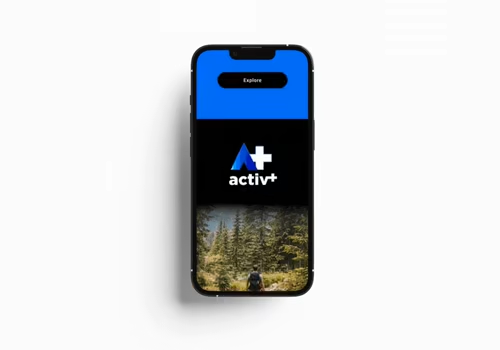
Example work
Supratik's other services

Starting at$35 /hr
Tags
Adobe After Effects

Adobe XD

Figma

Graphic Designer
UI Designer
UX Designer
Service provided by
Supratik Podder Toronto, Canada
UI DesignSupratik Podder
Starting at$35 /hr
Tags
Adobe After Effects
Adobe XD
Figma
Graphic Designer
UI Designer
UX Designer
I provide UI design and video editing services to clients, combining my expertise in both fields to create engaging visual experiences. Whether it's designing intuitive user interfaces or editing captivating videos, I strive to deliver high-quality work that meets the client's objectives.
What's included
Tasksheet for app
User Research:
Understand target audience needs, behaviors, and goals.
Techniques: user interviews, surveys, usability testing.
Information Architecture:
Create visual style, aesthetics, and branding elements.
Ensure a visually appealing and cohesive user interface.
Wireframing:
Craft low-fidelity, skeletal representations of the interface.
Establish layout, hierarchy, and content placement without visual design focus.
Prototyping:
Build interactive, high-fidelity representations of the interface.
Test and validate user experience, interactions, and functionalities.
Usability Testing:
Observe and gather feedback from users during product interaction.
Identify usability issues and areas for improvement.
Visual Design:
Create visual style, aesthetics, and branding elements.
Ensure a visually appealing and cohesive user interface.
Layout and Composition:
Arrange and organize interface elements for visual and functional appeal.
Interaction Design:
Define user interactions through design of buttons, menus, sliders, etc.
Ensure a smooth and intuitive user experience.
Responsive Design:
Adapt interface to different screen sizes and devices.
Ensure consistency and usability across various platforms.
Example work
Supratik's other services
$35 /hr