
Web Developer (Helping your startups soar 🚀)Dhanush Vardhan Kalaiselvan
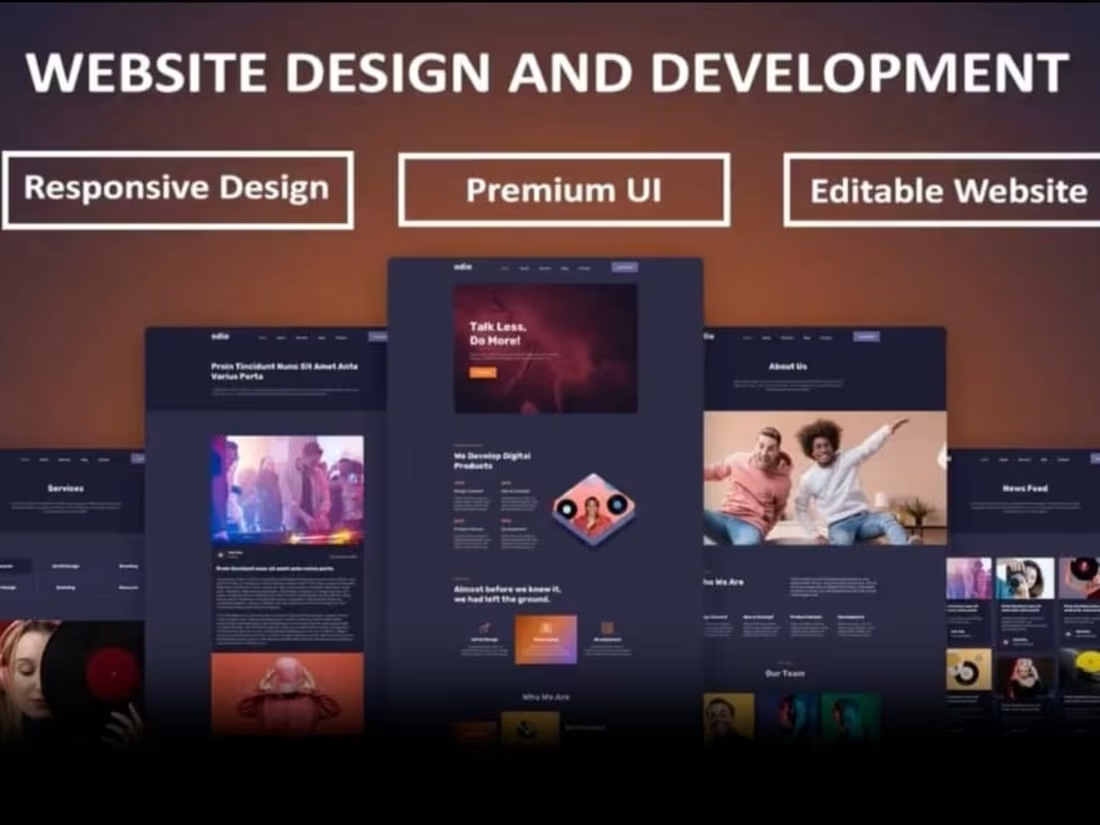
I offer bespoke web development services tailored to your business needs, ensuring a seamless and engaging online presence that stands out in today's digital landscape. My unique approach combines cutting-edge design, intuitive user experience, and robust functionality to elevate your brand and connect with your audience effectively
What's included
Website
Final Website Build: A fully functional and tested version of the website that is ready to go live.
Source Code: All the source code with proper comments and documentation, enabling future developers to understand and continue working on the project.
Content Management System (CMS) Access: If the website uses a CMS, credentials and a manual on how to use the CMS to manage website content would be provided.
User Manual/Documentation: A comprehensive guide explaining how to operate the website, update content, and troubleshoot common issues.
Training Sessions: Sessions to train the client or their staff on how to use the website, manage content, and understand the analytics.
Responsive Design Proof: Evidence that the website works across various devices and browsers, often including screenshots or links to test results.
SEO Features: A report on SEO features implemented on the site, such as metadata, keywords, and optimized content.
Performance Report: A breakdown of the website's performance, including loading times, potential bottlenecks, and areas for improvement.
Security Features: Details about the security measures in place, including SSL certificates, data encryption methods, and other security protocols.
Analytics Integration: Confirmation that web analytics tools are set up and tracking.
Web Hosting Details: Information about the hosting platform, including server details, hosting company contact information, and any necessary credentials.
Domain Name Records: Documentation of the domain name registration, DNS settings, and any other relevant records.
Third-Party Integrations: Details of any third-party services integrated with the website, such as payment gateways, email services, or CRMs, including the relevant accounts and credentials.
Backup System: Details on the website's backup system, including how to restore the site from a backup.
Support and Maintenance Plan: A description of the ongoing support and maintenance services, if any, including contact information and service level agreements (SLAs).
Starting at$1,000
Duration2 weeks
Tags
HTML5

JavaScript

React

Shopify

WordPress

Frontend Engineer
Fullstack Engineer
Software Engineer
Service provided by

Web Developer (Helping your startups soar 🚀)Dhanush Vardhan Kalaiselvan
Starting at$1,000
Duration2 weeks
Tags
HTML5
JavaScript
React
Shopify
WordPress
Frontend Engineer
Fullstack Engineer
Software Engineer
I offer bespoke web development services tailored to your business needs, ensuring a seamless and engaging online presence that stands out in today's digital landscape. My unique approach combines cutting-edge design, intuitive user experience, and robust functionality to elevate your brand and connect with your audience effectively
What's included
Website
Final Website Build: A fully functional and tested version of the website that is ready to go live.
Source Code: All the source code with proper comments and documentation, enabling future developers to understand and continue working on the project.
Content Management System (CMS) Access: If the website uses a CMS, credentials and a manual on how to use the CMS to manage website content would be provided.
User Manual/Documentation: A comprehensive guide explaining how to operate the website, update content, and troubleshoot common issues.
Training Sessions: Sessions to train the client or their staff on how to use the website, manage content, and understand the analytics.
Responsive Design Proof: Evidence that the website works across various devices and browsers, often including screenshots or links to test results.
SEO Features: A report on SEO features implemented on the site, such as metadata, keywords, and optimized content.
Performance Report: A breakdown of the website's performance, including loading times, potential bottlenecks, and areas for improvement.
Security Features: Details about the security measures in place, including SSL certificates, data encryption methods, and other security protocols.
Analytics Integration: Confirmation that web analytics tools are set up and tracking.
Web Hosting Details: Information about the hosting platform, including server details, hosting company contact information, and any necessary credentials.
Domain Name Records: Documentation of the domain name registration, DNS settings, and any other relevant records.
Third-Party Integrations: Details of any third-party services integrated with the website, such as payment gateways, email services, or CRMs, including the relevant accounts and credentials.
Backup System: Details on the website's backup system, including how to restore the site from a backup.
Support and Maintenance Plan: A description of the ongoing support and maintenance services, if any, including contact information and service level agreements (SLAs).
$1,000