
Web Design focusing on UXCamila Rodrigues
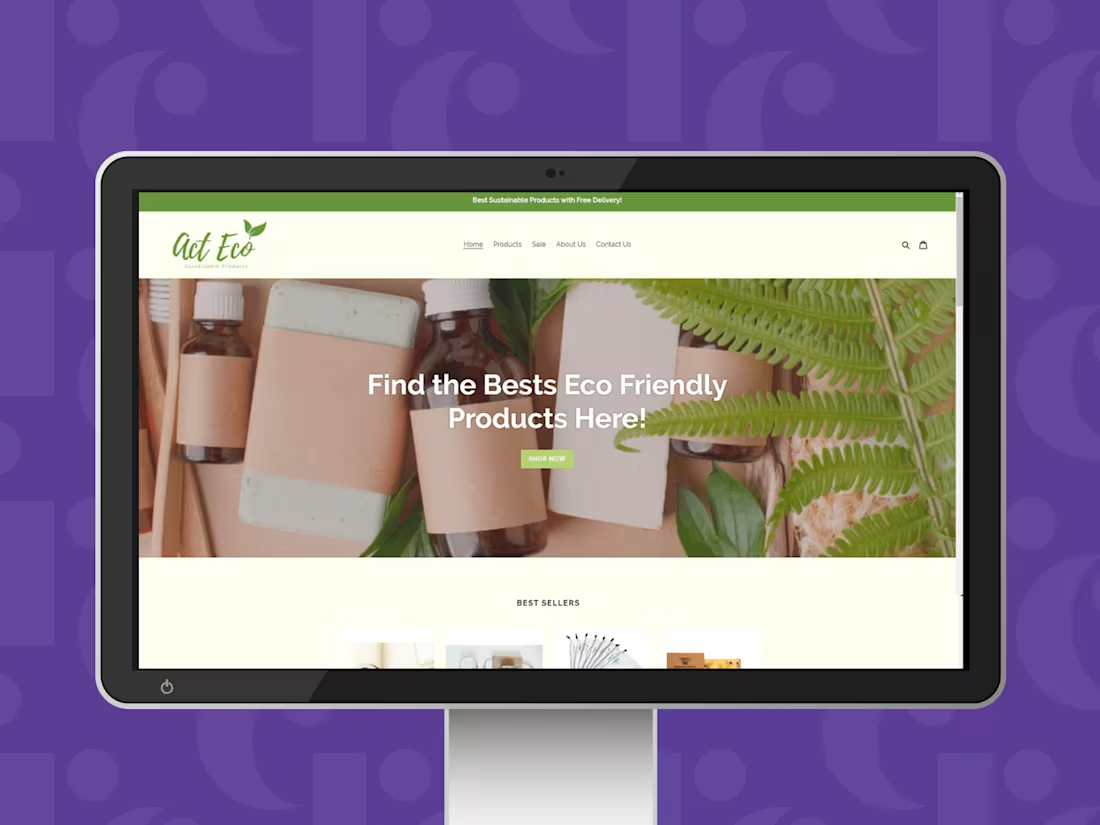
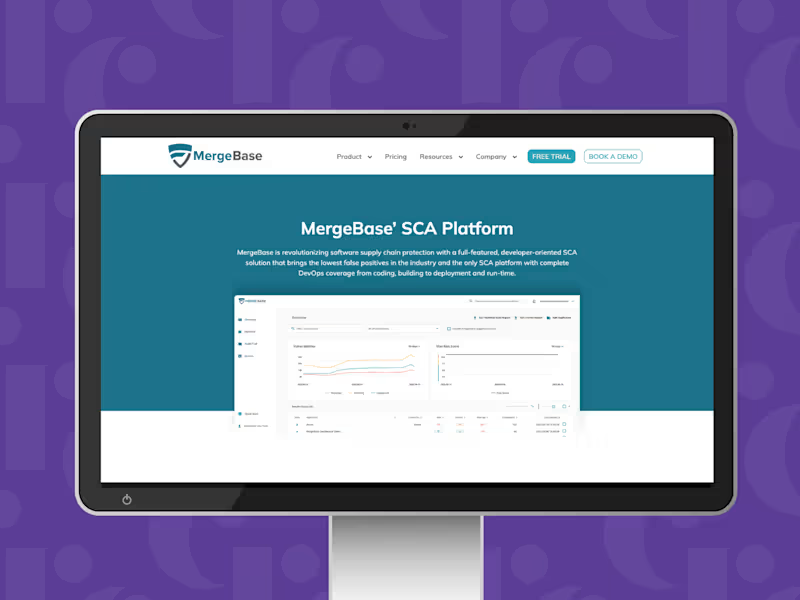
I offer comprehensive web design services tailored to elevate your brand's online presence through innovative, user-centric websites that blend aesthetics with functionality. My unique approach combines over a decade of digital marketing expertise with the latest web development techniques, ensuring not only a visually stunning website but also one optimized for SEO and user engagement. This fusion of marketing insights and technical prowess sets me apart, offering you a website that truly performs.
What's included
Website Project
Creating user-friendly websites that engage and convert visitors.Project Brief: A detailed document outlining the project’s scope, objectives, and timeline, ensuring both parties are aligned from the start.
Site Structure Outline: A visual and textual representation of the website's architecture, detailing the hierarchy and relationship between pages.
Design Mockups: High-fidelity visuals representing the final look of the website, including layout, colors, fonts, and other design elements, for client review and approval.
Responsive Design Templates: Adaptations of the design mockups showing how the website will look on different devices (desktop, tablet, mobile) to ensure a seamless user experience across all platforms.
Prototype: An interactive model of the website that allows the client to experience functionality and navigation flow before development begins.
Content Plan: A strategy document detailing the content requirements for the website, including text, images, and videos, along with guidelines for content creation and management.
SEO Strategy: An outline of the SEO fundamentals integrated into the website's design, including keyword strategy, meta tags, and other on-page SEO elements.
Accessibility Report: An analysis of the website’s accessibility features, ensuring it meets current web accessibility standards (e.g., WCAG) to be inclusive for all users.
User Manual/Documentation: Detailed instructions on how to update and maintain the website, including how to add new content, make changes to the site, and troubleshoot common issues.
Final Website: The completed website is fully functional and live on the client’s domain, incorporating all feedback and revisions from the design and development phases.
Post-Launch Support Plan: A plan outlining the support and maintenance services available after the website goes live, including any warranties, training sessions for the client’s team, and options for ongoing support agreements.
Camila's other services
Contact for pricing
Tags
Adobe XD

Elementor

Figma

Sketch

Webflow

Frontend Engineer
UX Designer
Web Developer
Service provided by
Camila Rodrigues Burnaby, Canada
Web Design focusing on UXCamila Rodrigues
Contact for pricing
Tags
Adobe XD
Elementor
Figma
Sketch
Webflow
Frontend Engineer
UX Designer
Web Developer
I offer comprehensive web design services tailored to elevate your brand's online presence through innovative, user-centric websites that blend aesthetics with functionality. My unique approach combines over a decade of digital marketing expertise with the latest web development techniques, ensuring not only a visually stunning website but also one optimized for SEO and user engagement. This fusion of marketing insights and technical prowess sets me apart, offering you a website that truly performs.
What's included
Website Project
Creating user-friendly websites that engage and convert visitors.Project Brief: A detailed document outlining the project’s scope, objectives, and timeline, ensuring both parties are aligned from the start.
Site Structure Outline: A visual and textual representation of the website's architecture, detailing the hierarchy and relationship between pages.
Design Mockups: High-fidelity visuals representing the final look of the website, including layout, colors, fonts, and other design elements, for client review and approval.
Responsive Design Templates: Adaptations of the design mockups showing how the website will look on different devices (desktop, tablet, mobile) to ensure a seamless user experience across all platforms.
Prototype: An interactive model of the website that allows the client to experience functionality and navigation flow before development begins.
Content Plan: A strategy document detailing the content requirements for the website, including text, images, and videos, along with guidelines for content creation and management.
SEO Strategy: An outline of the SEO fundamentals integrated into the website's design, including keyword strategy, meta tags, and other on-page SEO elements.
Accessibility Report: An analysis of the website’s accessibility features, ensuring it meets current web accessibility standards (e.g., WCAG) to be inclusive for all users.
User Manual/Documentation: Detailed instructions on how to update and maintain the website, including how to add new content, make changes to the site, and troubleshoot common issues.
Final Website: The completed website is fully functional and live on the client’s domain, incorporating all feedback and revisions from the design and development phases.
Post-Launch Support Plan: A plan outlining the support and maintenance services available after the website goes live, including any warranties, training sessions for the client’s team, and options for ongoing support agreements.
Camila's other services
Contact for pricing