Branding DesignNour Shamala
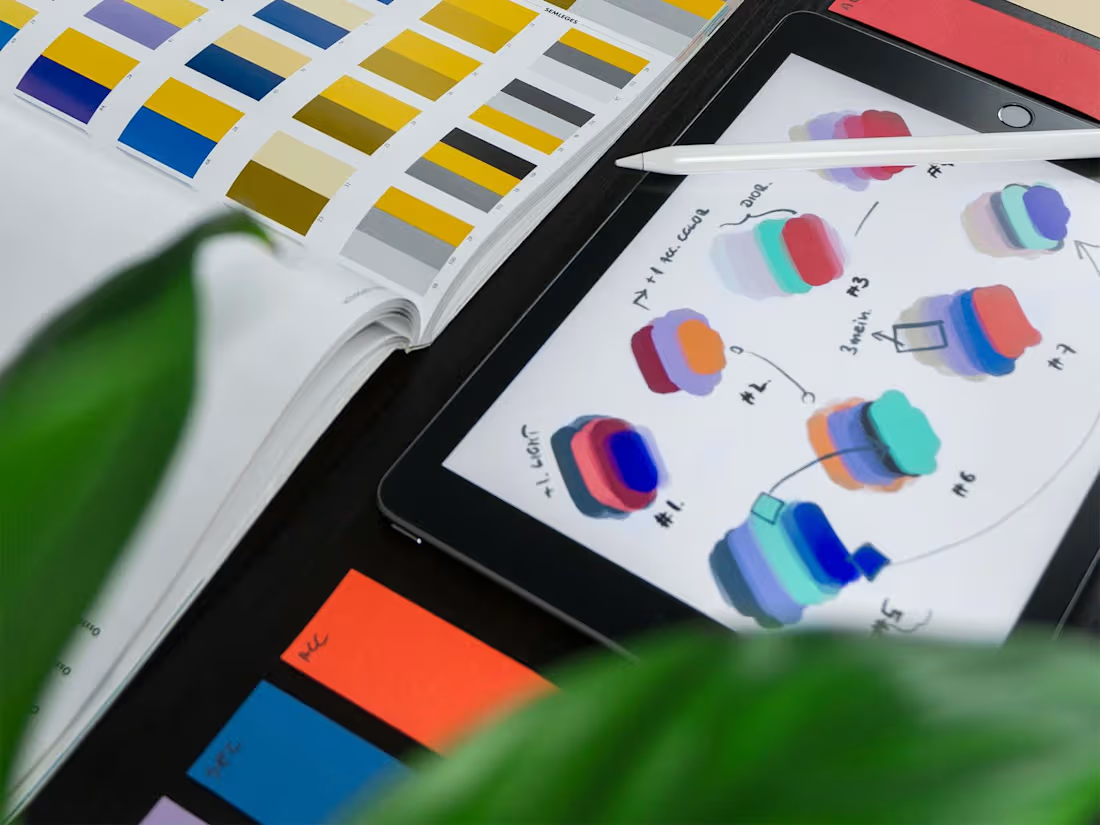
I offer comprehensive branding design services, from strategy and discovery to delivering polished visual assets that capture your brand’s essence. My process ensures a cohesive identity through custom logo design, color palettes, typography, and brand guidelines that maintain consistency across all touchpoints—from print to digital. I also create social media assets, business stationery, packaging, and promotional materials tailored to your specific needs.
I combine creative expertise with a strategic approach, ensuring your brand not only looks visually compelling but resonates with your target audience. My attention to detail and dedication to delivering quality work guarantee that your brand will stand out and be memorable in the marketplace.
What's included
Branding deliverables
1. Brand Discovery & Strategy Document: A comprehensive document outlining the brand's purpose, target audience, values, mission, and positioning in the market.
2. Mood Board: A visual representation of the brand’s tone, style, and creative direction, featuring color palettes, typography, and inspiration images.
3. Logo Design:
- Multiple logo concepts for review.
- Finalized primary logo.
- Secondary logo variations (e.g., horizontal, vertical, icon).
- Logo usage guidelines.
4. Color Palette: A defined color scheme with primary, secondary, and accent colors for the brand, including HEX, RGB, and CMYK values.
5. Typography: Recommendations for primary and secondary fonts, including font weights and usage guidelines.
6. Brand Style Guide: A comprehensive guide outlining the rules and standards for using the brand assets (logo, color, typography, imagery), ensuring brand consistency across all platforms.
7. Business Card & Stationery Design: Design of business cards, letterheads, envelopes, and email signatures.
8. Social Media Assets:
- Profile and cover images for platforms like Instagram, Facebook, LinkedIn, etc.
- Templates for social media posts and stories.
9. Brand Collateral: Design of key promotional materials (flyers, brochures, packaging, or digital ads) based on the brand’s needs.
10. Iconography & Illustrations: Custom icons or illustrations that align with the brand’s visual identity.
11. Packaging Design (if applicable): Design of product packaging that reflects the brand’s identity.
12. Website or App Branding (if applicable): Visual elements (color, typography, icons) for digital interfaces to maintain consistency with the brand identity.
13. Brand Voice & Messaging: Guidelines for tone, language, and key messaging to ensure consistency across all communication channels.
14. Final Files: Delivery of all brand assets in various formats (AI, EPS, PNG, JPG, PDF) for both print and digital use.
Nour's other services
Starting at$60
Duration4 weeks
Tags
Adobe Illustrator
Adobe InDesign

Adobe Photoshop

Adobe XD
Figma

Brand Designer
Brand Strategist
Digital Marketer
Service provided by
Nour Shamala Cairo, Egypt
Branding DesignNour Shamala
Starting at$60
Duration4 weeks
Tags
Adobe Illustrator
Adobe InDesign
Adobe Photoshop
Adobe XD
Figma
Brand Designer
Brand Strategist
Digital Marketer
I offer comprehensive branding design services, from strategy and discovery to delivering polished visual assets that capture your brand’s essence. My process ensures a cohesive identity through custom logo design, color palettes, typography, and brand guidelines that maintain consistency across all touchpoints—from print to digital. I also create social media assets, business stationery, packaging, and promotional materials tailored to your specific needs.
I combine creative expertise with a strategic approach, ensuring your brand not only looks visually compelling but resonates with your target audience. My attention to detail and dedication to delivering quality work guarantee that your brand will stand out and be memorable in the marketplace.
What's included
Branding deliverables
1. Brand Discovery & Strategy Document: A comprehensive document outlining the brand's purpose, target audience, values, mission, and positioning in the market.
2. Mood Board: A visual representation of the brand’s tone, style, and creative direction, featuring color palettes, typography, and inspiration images.
3. Logo Design:
- Multiple logo concepts for review.
- Finalized primary logo.
- Secondary logo variations (e.g., horizontal, vertical, icon).
- Logo usage guidelines.
4. Color Palette: A defined color scheme with primary, secondary, and accent colors for the brand, including HEX, RGB, and CMYK values.
5. Typography: Recommendations for primary and secondary fonts, including font weights and usage guidelines.
6. Brand Style Guide: A comprehensive guide outlining the rules and standards for using the brand assets (logo, color, typography, imagery), ensuring brand consistency across all platforms.
7. Business Card & Stationery Design: Design of business cards, letterheads, envelopes, and email signatures.
8. Social Media Assets:
- Profile and cover images for platforms like Instagram, Facebook, LinkedIn, etc.
- Templates for social media posts and stories.
9. Brand Collateral: Design of key promotional materials (flyers, brochures, packaging, or digital ads) based on the brand’s needs.
10. Iconography & Illustrations: Custom icons or illustrations that align with the brand’s visual identity.
11. Packaging Design (if applicable): Design of product packaging that reflects the brand’s identity.
12. Website or App Branding (if applicable): Visual elements (color, typography, icons) for digital interfaces to maintain consistency with the brand identity.
13. Brand Voice & Messaging: Guidelines for tone, language, and key messaging to ensure consistency across all communication channels.
14. Final Files: Delivery of all brand assets in various formats (AI, EPS, PNG, JPG, PDF) for both print and digital use.
Nour's other services
$60