
Complete Brand Kit Design: Elevate Your Visual IdentityRAGHAV ARORA
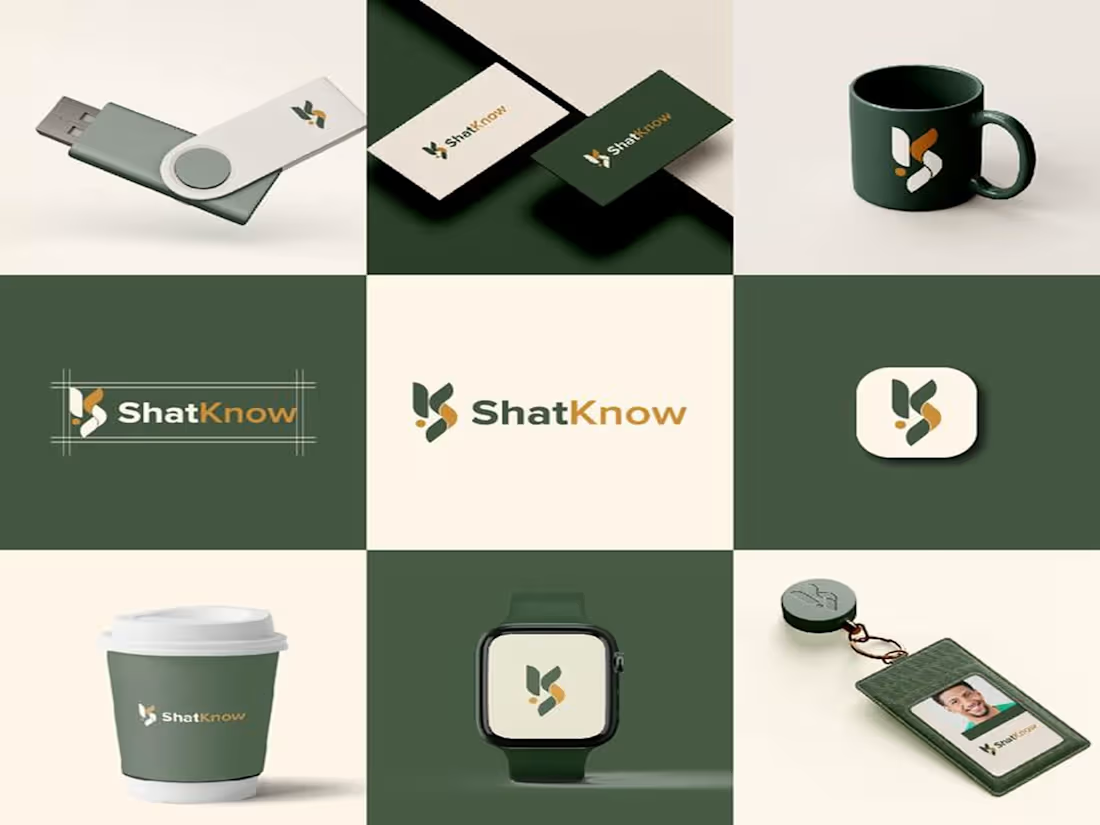
I offer comprehensive brand kit design services that equip your business with a cohesive and professional visual identity, including logos, color palettes, typography, social media assets, and brand guidelines. What sets me apart is my ability to blend creativity with cutting-edge tools like AI, 3D rendering, and AR elements, ensuring designs that are not only visually stunning but also innovative and impactful.
What's included
Comprehensive Brand Kit Deliverables: Elevating Your Identity
1. Logo Design
Primary Logo: The main logo that represents your brand.
Secondary Logo: Alternate versions for different formats (e.g., stacked, horizontal).
Favicon: A simplified logo version for browser tabs and small-scale use.
2. Color Palette
A curated set of primary and secondary colors that define your brand's visual language.
Detailed color codes in HEX, RGB, and CMYK formats for consistent use across digital and print media.
3. Typography
Selection of font pairings, including header, sub header, and body text fonts.
Font files or links to download licensed fonts, ensuring brand consistency.
4. Brand Guidelines
A comprehensive document outlining how to use your brand assets effectively.
Includes logo usage rules, clear space requirements, and size restrictions.
Guidelines on color usage, typography, and visual hierarchy for consistency.
5. Visual Elements
Custom patterns, textures, or graphic elements to enhance your brand visuals.
A cohesive set of icons that align with your brand's style.
6. Stationery Design
Business Cards: Custom-designed, professional layouts with logo and contact details.
Letterhead: Branded templates for official communication.
Envelopes: Consistent designs for correspondence.
Email Signature: A polished and professional email footer with branding.
7. Social Media Assets
Profile pictures and cover images tailored for social media platforms.
Branded templates for posts and stories to maintain consistency.
Pre-designed social media highlight covers.
8. Mockups
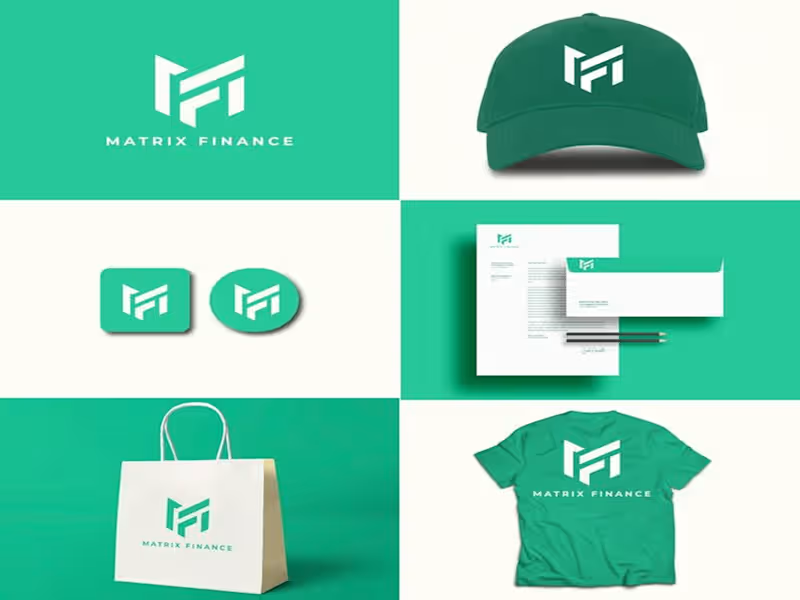
Real-world visualizations of your logo and brand assets in action, such as on business cards, packaging, and signage.
9. File Formats
Print-ready files: High-resolution PDF and EPS formats for professional printing.
Digital-friendly files: Optimized JPEG and PNG formats for web and social media use.
Editable source files: AI, PSD, or other design files for future modifications.
RAGHAV's other services
Starting at$100
Duration1 week
Tags
Adobe Illustrator
Adobe InDesign

Adobe Photoshop

Adobe XD
Figma

Brand Designer
Brand Strategist
Digital Marketer
Service provided by
RAGHAV ARORA Karnal, India
Complete Brand Kit Design: Elevate Your Visual IdentityRAGHAV ARORA
Starting at$100
Duration1 week
Tags
Adobe Illustrator
Adobe InDesign
Adobe Photoshop
Adobe XD
Figma
Brand Designer
Brand Strategist
Digital Marketer
I offer comprehensive brand kit design services that equip your business with a cohesive and professional visual identity, including logos, color palettes, typography, social media assets, and brand guidelines. What sets me apart is my ability to blend creativity with cutting-edge tools like AI, 3D rendering, and AR elements, ensuring designs that are not only visually stunning but also innovative and impactful.
What's included
Comprehensive Brand Kit Deliverables: Elevating Your Identity
1. Logo Design
Primary Logo: The main logo that represents your brand.
Secondary Logo: Alternate versions for different formats (e.g., stacked, horizontal).
Favicon: A simplified logo version for browser tabs and small-scale use.
2. Color Palette
A curated set of primary and secondary colors that define your brand's visual language.
Detailed color codes in HEX, RGB, and CMYK formats for consistent use across digital and print media.
3. Typography
Selection of font pairings, including header, sub header, and body text fonts.
Font files or links to download licensed fonts, ensuring brand consistency.
4. Brand Guidelines
A comprehensive document outlining how to use your brand assets effectively.
Includes logo usage rules, clear space requirements, and size restrictions.
Guidelines on color usage, typography, and visual hierarchy for consistency.
5. Visual Elements
Custom patterns, textures, or graphic elements to enhance your brand visuals.
A cohesive set of icons that align with your brand's style.
6. Stationery Design
Business Cards: Custom-designed, professional layouts with logo and contact details.
Letterhead: Branded templates for official communication.
Envelopes: Consistent designs for correspondence.
Email Signature: A polished and professional email footer with branding.
7. Social Media Assets
Profile pictures and cover images tailored for social media platforms.
Branded templates for posts and stories to maintain consistency.
Pre-designed social media highlight covers.
8. Mockups
Real-world visualizations of your logo and brand assets in action, such as on business cards, packaging, and signage.
9. File Formats
Print-ready files: High-resolution PDF and EPS formats for professional printing.
Digital-friendly files: Optimized JPEG and PNG formats for web and social media use.
Editable source files: AI, PSD, or other design files for future modifications.
RAGHAV's other services
$100