
brand kit designVramar Roy
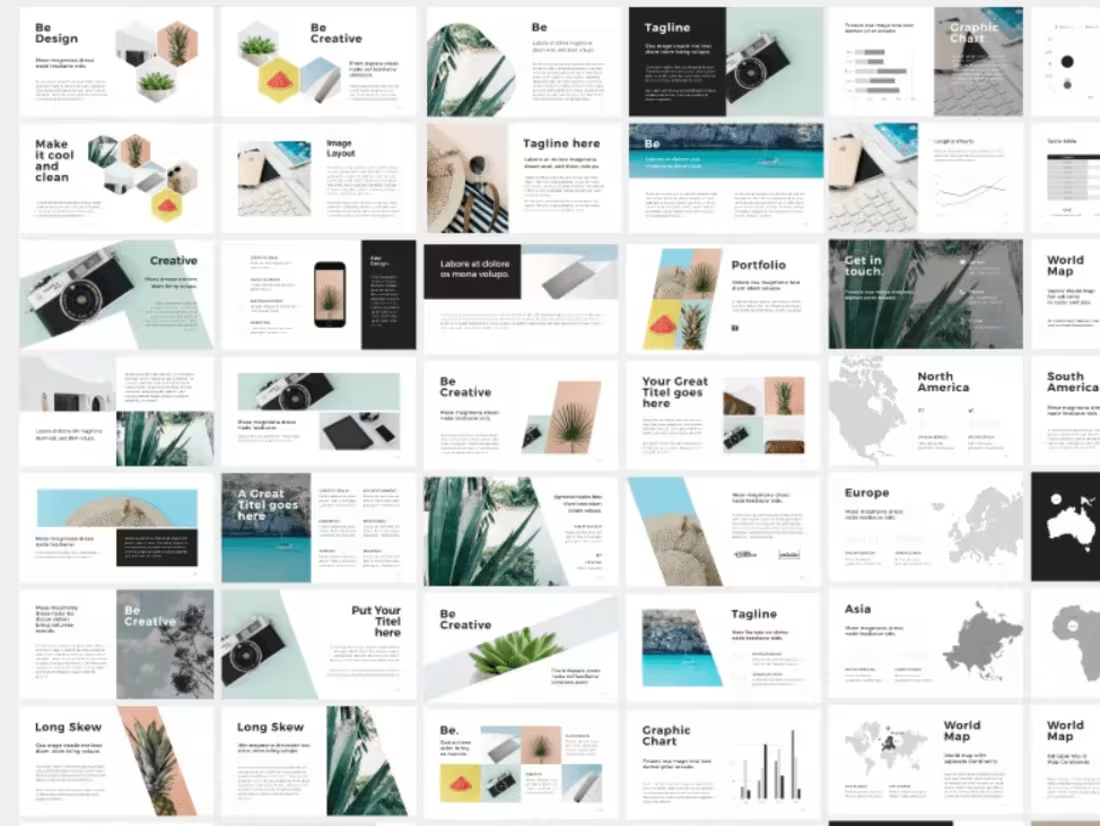
Logo Usage:
Color Palette:
Typography:
Imagery and Photography:
Iconography:
Graphic Elements:
What's included
brand kit design
Logo Usage:
Specify proper usage of the logo in terms of size, placement, and clear space.
Provide variations of the logo for different backgrounds and use cases.
Color Palette:
Showcase the primary and secondary colors of the brand with color codes (RGB, CMYK, HEX).
Include guidelines on color combinations and restrictions.
Typography:
Present the chosen fonts for headlines, subheadlines, and body text.
Specify font sizes, line spacing, and any variations for different media.
Imagery and Photography:
Define the style and tone of imagery associated with the brand.
Specify guidelines for photo treatments, filters, and composition.
Iconography:
Provide guidelines for the use of icons and symbols associated with the brand.
Specify size, color, and placement considerations.
Graphic Elements:
Include any unique graphic elements or patterns that contribute to the brand's visual identity.
Provide instructions on how to use these elements in different contexts.
Voice and Tone:
Define the brand's personality through guidelines on voice and tone in written communication.
Specify the preferred language style and key messaging.
Layout and Design:
Establish layout principles for various materials, such as brochures, websites, and social media.
Include grid systems, margin guidelines, and design principles.
Stationery:
Present designs for business cards, letterheads, envelopes, and other branded stationery.
Specify printing guidelines and paper options.
Digital Assets:
Include specifications for digital media, such as social media graphics and email signatures.
Provide templates for consistent presentation across various platforms.
Brand Applications:
Showcase how the brand is applied across different touchpoints, such as packaging, merchandise, and advertising.
Brand Story and Values:
Briefly articulate the brand's story, mission, and values to provide context for visual elements.
Updates and Revisions:
Outline a process for updating the brand kit and communicating changes to relevant stakeholders.
Legal Considerations:
Include any legal guidelines related to the use of brand assets and intellectual property.
Accessibility Guidelines:
Consider and include guidelines for ensuring accessibility in design elements.
A well-designed brand kit serves as a comprehensive reference for anyone involved in creating materials for the brand, helping to maintain a consistent and cohesive visual identity across all brand touchpoints.
Vramar's other services
Starting at$49
Duration1 day
Tags
Adobe Illustrator

Adobe Photoshop

Brand Designer
Brand Strategist
Digital Marketer
Service provided by
Vramar Roy Bangladesh
brand kit designVramar Roy
Starting at$49
Duration1 day
Tags
Adobe Illustrator
Adobe Photoshop
Brand Designer
Brand Strategist
Digital Marketer
Logo Usage:
Color Palette:
Typography:
Imagery and Photography:
Iconography:
Graphic Elements:
What's included
brand kit design
Logo Usage:
Specify proper usage of the logo in terms of size, placement, and clear space.
Provide variations of the logo for different backgrounds and use cases.
Color Palette:
Showcase the primary and secondary colors of the brand with color codes (RGB, CMYK, HEX).
Include guidelines on color combinations and restrictions.
Typography:
Present the chosen fonts for headlines, subheadlines, and body text.
Specify font sizes, line spacing, and any variations for different media.
Imagery and Photography:
Define the style and tone of imagery associated with the brand.
Specify guidelines for photo treatments, filters, and composition.
Iconography:
Provide guidelines for the use of icons and symbols associated with the brand.
Specify size, color, and placement considerations.
Graphic Elements:
Include any unique graphic elements or patterns that contribute to the brand's visual identity.
Provide instructions on how to use these elements in different contexts.
Voice and Tone:
Define the brand's personality through guidelines on voice and tone in written communication.
Specify the preferred language style and key messaging.
Layout and Design:
Establish layout principles for various materials, such as brochures, websites, and social media.
Include grid systems, margin guidelines, and design principles.
Stationery:
Present designs for business cards, letterheads, envelopes, and other branded stationery.
Specify printing guidelines and paper options.
Digital Assets:
Include specifications for digital media, such as social media graphics and email signatures.
Provide templates for consistent presentation across various platforms.
Brand Applications:
Showcase how the brand is applied across different touchpoints, such as packaging, merchandise, and advertising.
Brand Story and Values:
Briefly articulate the brand's story, mission, and values to provide context for visual elements.
Updates and Revisions:
Outline a process for updating the brand kit and communicating changes to relevant stakeholders.
Legal Considerations:
Include any legal guidelines related to the use of brand assets and intellectual property.
Accessibility Guidelines:
Consider and include guidelines for ensuring accessibility in design elements.
A well-designed brand kit serves as a comprehensive reference for anyone involved in creating materials for the brand, helping to maintain a consistent and cohesive visual identity across all brand touchpoints.
Vramar's other services
$49