
"Unlocking Your Potential: Tailored Services for Success"Darrell Crabtree
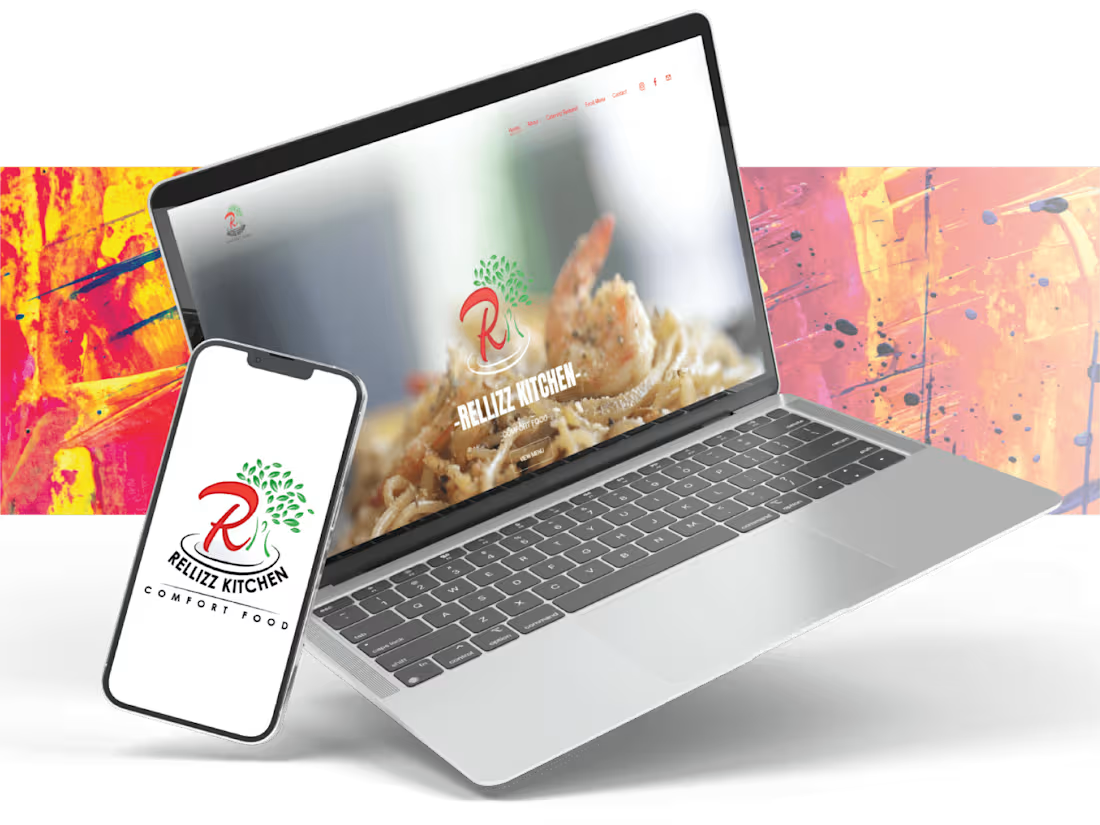
I specialize in delivering both graphic design and web design solutions that harmoniously blend aesthetic appeal with functionality. What distinguishes my approach is a keen focus on user experience (UX) design principles, ensuring that every website I create not only looks visually stunning but also provides a seamless and intuitive navigation experience. My expertise lies in crafting designs that not only meet clients' aesthetic preferences but also achieve their business objectives by effectively engaging and converting visitors.
What's included
"Digital Presence Package: Your Comprehensive Website Solution"
Fully Functional Website- A live, functioning website accessible on the internet.
Design Mockups or Prototypes- Visual representations of how the website will look, often including different pages and key features.
Source Code- Access to the codebase of the website, including HTML, CSS, JavaScript, and any backend code (e.g., PHP, Python, etc.).
Content Management System (CMS)- If applicable, login details and documentation for accessing and managing the website's content through a CMS like WordPress or Joomla.
Responsive Design- Ensuring the website displays and functions correctly across various devices (desktops, tablets, smartphones).
SEO Optimization- Basic SEO setup such as meta tags, descriptions, and site structure to improve search engine visibility.
Analytics Integration- Setup of tools like Google Analytics to track and analyze website traffic and user behavior.
Testing and Quality Assurance Reports- Documentation showing testing results, ensuring the website works as intended across different browsers and devices.
Training Materials- If requested, documentation or training sessions on how to use the website's backend, update content, and manage basic functionalities.
Maintenance and Support Plan- Details on ongoing support options, maintenance plans, and how to resolve any post-launch issues.
Legal and Administrative Documentation- Necessary legal documents (privacy policy, terms of service) if applicable, and administrative details such as domain registration information and hosting credentials.
Handover and Launch- Smooth transition and assistance during the launch phase to ensure the website goes live without issues.
These deliverables ensure clarity that the client receives a fully functional, well-designed website that meets their requirements and is ready to serve its intended purpose effectively.
FAQs
Darrell's other services
Starting at$800
Duration3 weeks
Tags
Adobe XD

Elementor

Figma

Sketch

Webflow

Frontend Engineer
UX Designer
Web Developer
Service provided by
Darrell Crabtree Corona, USA
"Unlocking Your Potential: Tailored Services for Success"Darrell Crabtree
Starting at$800
Duration3 weeks
Tags
Adobe XD
Elementor
Figma
Sketch
Webflow
Frontend Engineer
UX Designer
Web Developer
I specialize in delivering both graphic design and web design solutions that harmoniously blend aesthetic appeal with functionality. What distinguishes my approach is a keen focus on user experience (UX) design principles, ensuring that every website I create not only looks visually stunning but also provides a seamless and intuitive navigation experience. My expertise lies in crafting designs that not only meet clients' aesthetic preferences but also achieve their business objectives by effectively engaging and converting visitors.
What's included
"Digital Presence Package: Your Comprehensive Website Solution"
Fully Functional Website- A live, functioning website accessible on the internet.
Design Mockups or Prototypes- Visual representations of how the website will look, often including different pages and key features.
Source Code- Access to the codebase of the website, including HTML, CSS, JavaScript, and any backend code (e.g., PHP, Python, etc.).
Content Management System (CMS)- If applicable, login details and documentation for accessing and managing the website's content through a CMS like WordPress or Joomla.
Responsive Design- Ensuring the website displays and functions correctly across various devices (desktops, tablets, smartphones).
SEO Optimization- Basic SEO setup such as meta tags, descriptions, and site structure to improve search engine visibility.
Analytics Integration- Setup of tools like Google Analytics to track and analyze website traffic and user behavior.
Testing and Quality Assurance Reports- Documentation showing testing results, ensuring the website works as intended across different browsers and devices.
Training Materials- If requested, documentation or training sessions on how to use the website's backend, update content, and manage basic functionalities.
Maintenance and Support Plan- Details on ongoing support options, maintenance plans, and how to resolve any post-launch issues.
Legal and Administrative Documentation- Necessary legal documents (privacy policy, terms of service) if applicable, and administrative details such as domain registration information and hosting credentials.
Handover and Launch- Smooth transition and assistance during the launch phase to ensure the website goes live without issues.
These deliverables ensure clarity that the client receives a fully functional, well-designed website that meets their requirements and is ready to serve its intended purpose effectively.
FAQs
Darrell's other services
$800