
3D game Assets Houssain Aboudi
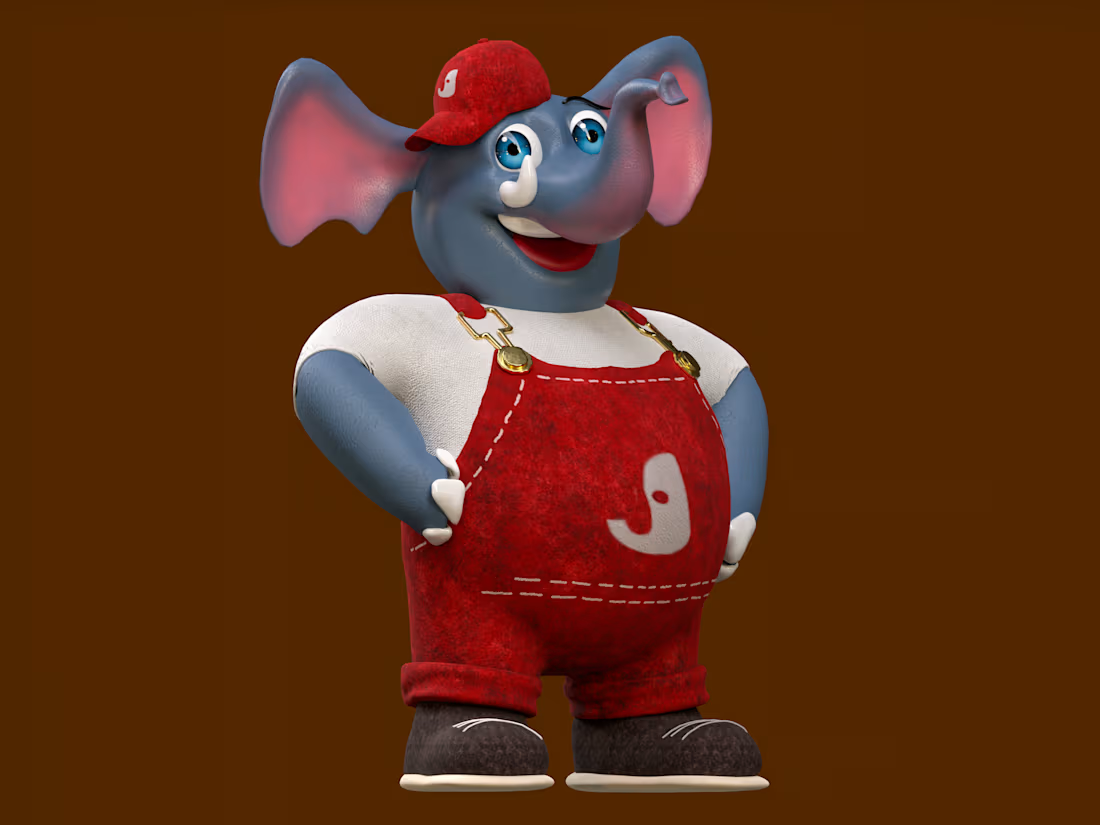
Texturing mapping and rigging .
What's included
3D ASSETS
Conceptualization
Idea Generation: Start with brainstorming ideas that fit the game's theme and style.
Sketching: Create rough sketches to visualize the assets before moving to 3D modeling.
2. Modeling
3D Software: Use tools like Blender, Maya, or 3ds Max to create the models.
Geometry: Build the structure of the asset, focusing on the shape, scale, and proportion.
Detailing: Add intricate features and elements that enhance realism, such as textures and small components.
3. Texturing
UV Mapping: Unwrap the model to create a 2D representation for applying textures.
Materials: Define how the surface reacts to light, using shaders and materials to give it depth and realism.
Textures: Apply images or patterns to give the asset a realistic appearance, considering details like wear and tear.
4. Rigging (if applicable)
Skeleton Creation: For animated assets (like characters), create a rig that defines how the model moves.
Weight Painting: Assign weights to different parts of the mesh to ensure smooth movements during animation.
5. Optimization
Polygon Count: Reduce the polygon count to ensure the asset runs efficiently within the game engine without sacrificing quality.
LOD (Level of Detail): Create multiple versions of the asset for different viewing distances to enhance performance
Houssain's other services

Starting at$150
Duration2 weeks
Tags
Blender

Spline

Zbrush

3D Animator
3D Designer
3D Modeler
Service provided by
Houssain Aboudi Tunis, Tunisia
3D game Assets Houssain Aboudi
Starting at$150
Duration2 weeks
Tags
Blender
Spline
Zbrush
3D Animator
3D Designer
3D Modeler
Texturing mapping and rigging .
What's included
3D ASSETS
Conceptualization
Idea Generation: Start with brainstorming ideas that fit the game's theme and style.
Sketching: Create rough sketches to visualize the assets before moving to 3D modeling.
2. Modeling
3D Software: Use tools like Blender, Maya, or 3ds Max to create the models.
Geometry: Build the structure of the asset, focusing on the shape, scale, and proportion.
Detailing: Add intricate features and elements that enhance realism, such as textures and small components.
3. Texturing
UV Mapping: Unwrap the model to create a 2D representation for applying textures.
Materials: Define how the surface reacts to light, using shaders and materials to give it depth and realism.
Textures: Apply images or patterns to give the asset a realistic appearance, considering details like wear and tear.
4. Rigging (if applicable)
Skeleton Creation: For animated assets (like characters), create a rig that defines how the model moves.
Weight Painting: Assign weights to different parts of the mesh to ensure smooth movements during animation.
5. Optimization
Polygon Count: Reduce the polygon count to ensure the asset runs efficiently within the game engine without sacrificing quality.
LOD (Level of Detail): Create multiple versions of the asset for different viewing distances to enhance performance
Houssain's other services
$150