
logo designerCharu kumar
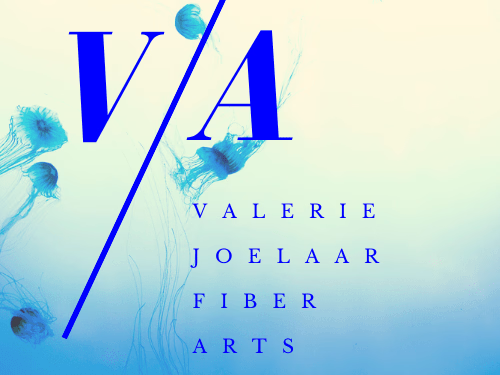
A logo designer is a visual artist who specializes in creating unique and memorable logos for businesses, brands, and individuals. Logos are an essential element of a company's branding and serve as a visual representation of its identity. Here's a profile of me as as a designer:
Skills: Proficiency in graphic design software (Adobe Illustrator, Photoshop, etc.), creativity, strong understanding of design principles, ability to conceptualize and execute ideas effectively.
Design Specialization: Focuses on creating logos that align with a client's brand identity, values, and target audience.
Client Collaboration: Communicates with clients to understand their vision, business objectives, and preferences for the logo design.
Research: Conducts research on the client's industry, competitors, and trends to create a logo that stands out.
Simplicity and Memorability: Designs logos that are simple, scalable, and easily recognizable, even in various sizes and formats.
Color and Typography: Chooses colors and typography that reflect the brand's personality and message.
Versatility: Creates logos that can be used across different mediums, from digital platforms to print materials.
Portfolio: Showcases a portfolio of past logo designs to demonstrate skills and versatility.
Feedback and Revisions: Incorporates client feedback and makes revisions as needed to ensure the final logo meets the client's expectations.
What's included
Primary Logo Design:
The core representation of the brand, often consisting of a symbol or icon along with the brand name. This version should be versatile and work well in various contexts.
Alternate Logo Variations:
Different versions of the primary logo to accommodate various spaces and applications. These might include simplified versions, stacked versions, or versions with different color variations.
Logo Mark/Symbol:
A standalone icon or symbol that represents the brand even without the accompanying text. This is useful for social media profiles, app icons, and other condensed spaces.
Wordmark:
A typographic treatment of the brand name, designed in a unique and consistent style that reflects the brand's identity.
Color Palette:
selection of colors that make up the brand's visual identity. These colors should be used consistently across all materials to create a cohesive look.
Source Files:
The original design files (e.g., Adobe Illustrator or similar), which allow for future edits or adjustments.

Charu's other services

Contact for pricing
Tags
Adobe InDesign
Google Docs

Microsoft Office 365

Microsoft Word

Graphic Designer
Infographic Designer
Logo Designer
Service provided by
Charu kumar India
logo designerCharu kumar
Contact for pricing
Tags
Adobe InDesign
Google Docs
Microsoft Office 365
Microsoft Word
Graphic Designer
Infographic Designer
Logo Designer
A logo designer is a visual artist who specializes in creating unique and memorable logos for businesses, brands, and individuals. Logos are an essential element of a company's branding and serve as a visual representation of its identity. Here's a profile of me as as a designer:
Skills: Proficiency in graphic design software (Adobe Illustrator, Photoshop, etc.), creativity, strong understanding of design principles, ability to conceptualize and execute ideas effectively.
Design Specialization: Focuses on creating logos that align with a client's brand identity, values, and target audience.
Client Collaboration: Communicates with clients to understand their vision, business objectives, and preferences for the logo design.
Research: Conducts research on the client's industry, competitors, and trends to create a logo that stands out.
Simplicity and Memorability: Designs logos that are simple, scalable, and easily recognizable, even in various sizes and formats.
Color and Typography: Chooses colors and typography that reflect the brand's personality and message.
Versatility: Creates logos that can be used across different mediums, from digital platforms to print materials.
Portfolio: Showcases a portfolio of past logo designs to demonstrate skills and versatility.
Feedback and Revisions: Incorporates client feedback and makes revisions as needed to ensure the final logo meets the client's expectations.
What's included
Primary Logo Design:
The core representation of the brand, often consisting of a symbol or icon along with the brand name. This version should be versatile and work well in various contexts.
Alternate Logo Variations:
Different versions of the primary logo to accommodate various spaces and applications. These might include simplified versions, stacked versions, or versions with different color variations.
Logo Mark/Symbol:
A standalone icon or symbol that represents the brand even without the accompanying text. This is useful for social media profiles, app icons, and other condensed spaces.
Wordmark:
A typographic treatment of the brand name, designed in a unique and consistent style that reflects the brand's identity.
Color Palette:
selection of colors that make up the brand's visual identity. These colors should be used consistently across all materials to create a cohesive look.
Source Files:
The original design files (e.g., Adobe Illustrator or similar), which allow for future edits or adjustments.
Charu's other services
Contact for pricing