
User Interfaceviraj vadodariya
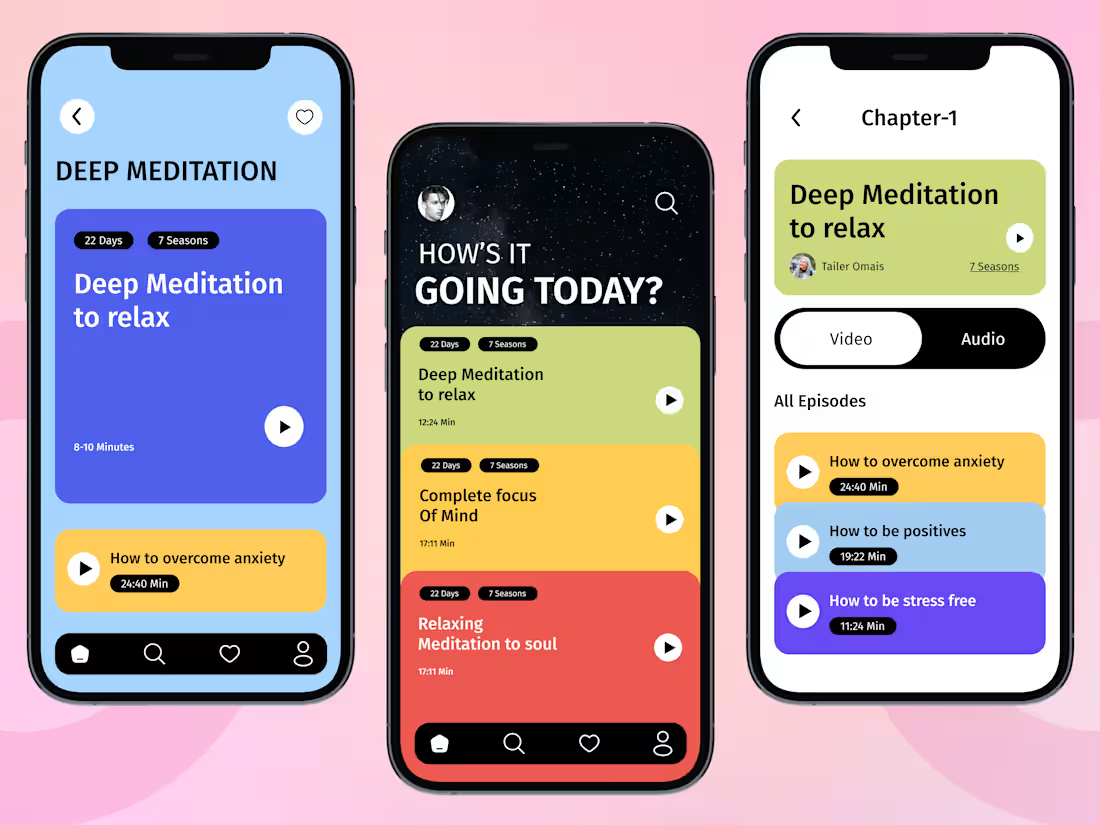
"I am a seasoned UI/UX designer offering a wealth of experience in crafting visually stunning and user-centric digital experiences. My unique approach blends creative innovation with a deep understanding of user psychology, ensuring not only aesthetically pleasing designs but also optimal usability and engagement."
What's included
Research:
Research:
User Research: Understand the target audience through methods like interviews, surveys, and observation.
Competitive Analysis: Evaluate similar products/services in the market.
Stakeholder Interviews: Gather insights from internal stakeholders.
Planning:
Define Goals: Clearly outline the project's objectives and what success looks like.
Create Personas: Develop user personas based on research findings.
Scope and Strategy: Define the project scope, timelines, and overall strategy.
Design:
Information Architecture: Plan the structure and organization of content or features.
Wireframing: Create low-fidelity sketches or digital representations of the interface.
Prototyping: Develop interactive prototypes to simulate user interactions.
Visual Design: Apply aesthetics, including color, typography, and imagery, to create a visually appealing interface.
Testing:
Usability Testing: Evaluate the design with actual users to identify potential issues.
Feedback Iteration: Incorporate feedback and refine the design based on testing results.
Accessibility Testing: Ensure the design is accessible to users with diverse needs.
Implementation:
Collaboration with Developers: Work closely with developers to ensure the design is implemented correctly.
Design Handoff: Provide design assets and documentation for development.
Quality Assurance: Ensure the final product aligns with the design and user experience.
Launch:
Deployment: Launch the product or feature to the public.
Monitor Metrics: Track user behavior, engagement, and other relevant metrics.
Address Issues: Quickly address any unforeseen issues or challenges that may arise post-launch.
Post-Launch:
Gather Feedback: Continue to collect and analyze user feedback.
Iterate and Improve: Implement iterative improvements based on user feedback and evolving needs.
Long-Term Strategy: Consider long-term maintenance, updates, and future enhancements.
Example work
viraj's other services
Starting at$50
Duration1 day
Tags
Adobe Photoshop

Adobe XD

Figma

Sketch

Webflow

Interaction Designer
Low-Code/No-Code Developer
Product Designer
Service provided by
viraj vadodariya Rajkot, India
User Interfaceviraj vadodariya
Starting at$50
Duration1 day
Tags
Adobe Photoshop
Adobe XD
Figma
Sketch
Webflow
Interaction Designer
Low-Code/No-Code Developer
Product Designer
"I am a seasoned UI/UX designer offering a wealth of experience in crafting visually stunning and user-centric digital experiences. My unique approach blends creative innovation with a deep understanding of user psychology, ensuring not only aesthetically pleasing designs but also optimal usability and engagement."
What's included
Research:
Research:
User Research: Understand the target audience through methods like interviews, surveys, and observation.
Competitive Analysis: Evaluate similar products/services in the market.
Stakeholder Interviews: Gather insights from internal stakeholders.
Planning:
Define Goals: Clearly outline the project's objectives and what success looks like.
Create Personas: Develop user personas based on research findings.
Scope and Strategy: Define the project scope, timelines, and overall strategy.
Design:
Information Architecture: Plan the structure and organization of content or features.
Wireframing: Create low-fidelity sketches or digital representations of the interface.
Prototyping: Develop interactive prototypes to simulate user interactions.
Visual Design: Apply aesthetics, including color, typography, and imagery, to create a visually appealing interface.
Testing:
Usability Testing: Evaluate the design with actual users to identify potential issues.
Feedback Iteration: Incorporate feedback and refine the design based on testing results.
Accessibility Testing: Ensure the design is accessible to users with diverse needs.
Implementation:
Collaboration with Developers: Work closely with developers to ensure the design is implemented correctly.
Design Handoff: Provide design assets and documentation for development.
Quality Assurance: Ensure the final product aligns with the design and user experience.
Launch:
Deployment: Launch the product or feature to the public.
Monitor Metrics: Track user behavior, engagement, and other relevant metrics.
Address Issues: Quickly address any unforeseen issues or challenges that may arise post-launch.
Post-Launch:
Gather Feedback: Continue to collect and analyze user feedback.
Iterate and Improve: Implement iterative improvements based on user feedback and evolving needs.
Long-Term Strategy: Consider long-term maintenance, updates, and future enhancements.
Example work
viraj's other services
$50