
AI-Driven UX Designbabak haghighi
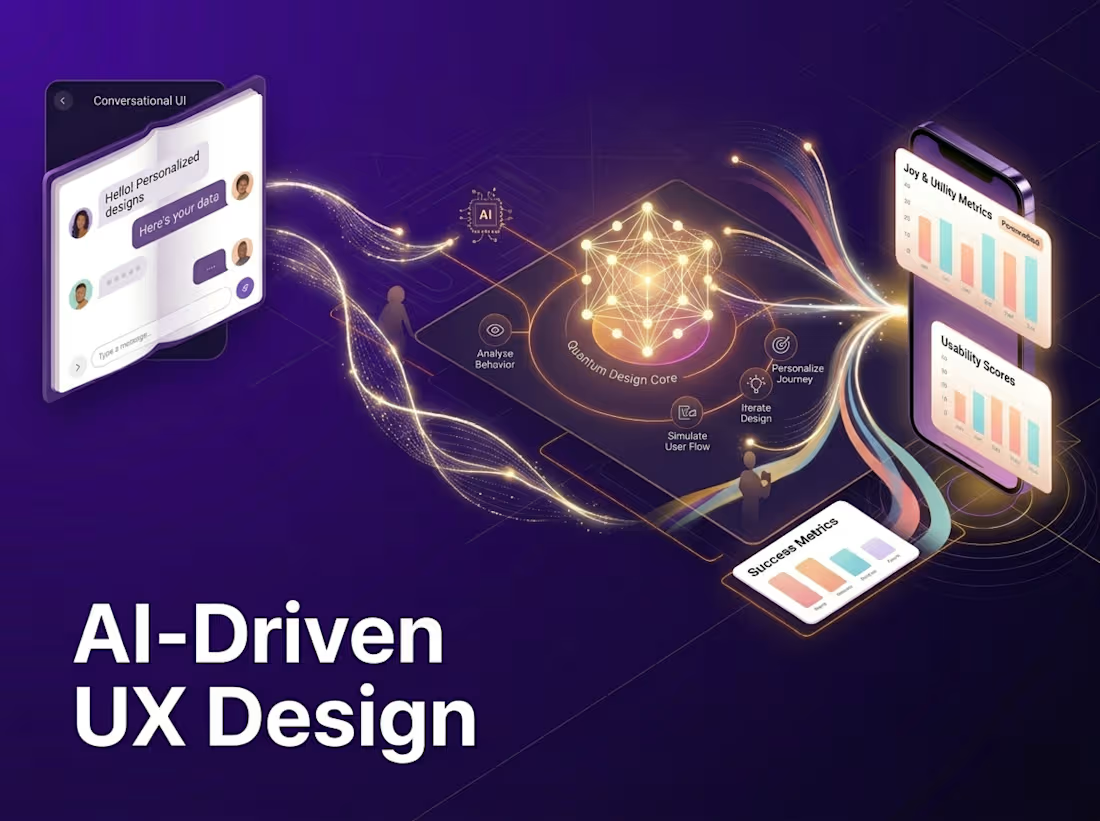
Most AI products fail not because the model is bad — but because the UX doesn't build trust. Users don't understand what the AI is doing, why it's making suggestions, or how to correct it. That's a design problem.
I design AI-powered product surfaces that feel intelligent without feeling opaque — from personalization engines and recommendation flows to conversational interfaces and generative AI features.
What's included:
AI interaction pattern design (trust, explainability, feedback loops)
Conversational UI and chat interface design
Personalization and recommendation surface design
Onboarding flows for AI-powered features
Error states and edge case handling for AI outputs
AI pattern documentation for your design system
High-fidelity Figma prototype
Best for: Teams building AI-native products, adding AI features to existing products, or anyone who wants their AI to feel like a natural part of the experience — not a bolt-on.
FAQs
babak's other services
Contact for pricing
Duration1 week
Tags
Figma

Conversation Designer
Design System
Product Designer
UX Designer
AI Product
Personalization
Service provided by
babak haghighi Vienna, Austria
AI-Driven UX Designbabak haghighi
Contact for pricing
Duration1 week
Tags
Figma
Conversation Designer
Design System
Product Designer
UX Designer
AI Product
Personalization
Most AI products fail not because the model is bad — but because the UX doesn't build trust. Users don't understand what the AI is doing, why it's making suggestions, or how to correct it. That's a design problem.
I design AI-powered product surfaces that feel intelligent without feeling opaque — from personalization engines and recommendation flows to conversational interfaces and generative AI features.
What's included:
AI interaction pattern design (trust, explainability, feedback loops)
Conversational UI and chat interface design
Personalization and recommendation surface design
Onboarding flows for AI-powered features
Error states and edge case handling for AI outputs
AI pattern documentation for your design system
High-fidelity Figma prototype
Best for: Teams building AI-native products, adding AI features to existing products, or anyone who wants their AI to feel like a natural part of the experience — not a bolt-on.
FAQs
babak's other services
Contact for pricing