Design Architect & Branding SpecialistIsabella De la hoz
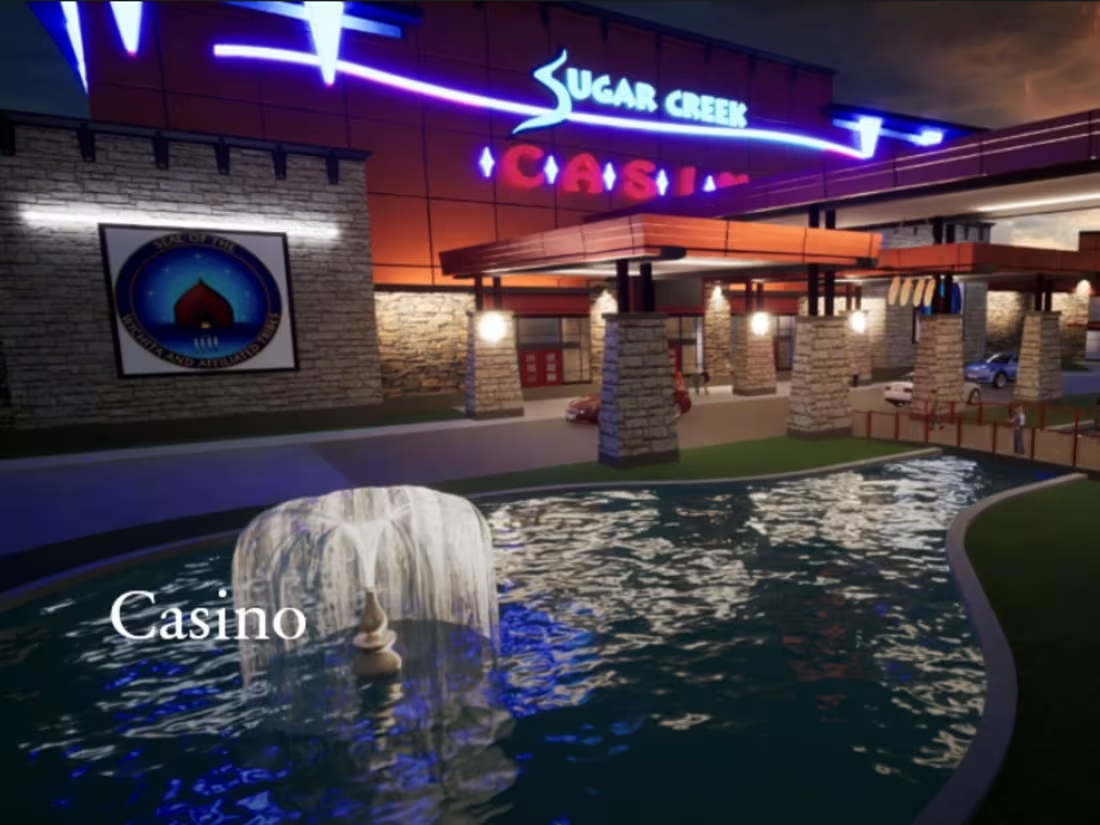
I offer tailored graphic design solutions that bring your brand vision to life, including logo design, branding, digital assets, and custom 3D visuals. What sets me apart is my diverse background in architecture and urban design, allowing me to create innovative, functional, and visually impactful designs that stand out across multiple platforms. My attention to detail and commitment to understanding your unique needs ensure every project is executed with creativity and precision.
What's included
Completed Visual Package
Final Design Files
1. High-resolution files in formats such as PNG, JPEG, and TIFF.
Source files in editable formats (e.g., AI, PSD, INDD, or EPS).
Logo Designs
2. Final logo in multiple versions (e.g., full color, black & white, transparent background).
Logo variations (e.g., horizontal, vertical, icon-only).
Brand Guidelines
3. A document outlining the color palette, typography, logo usage, and other visual elements.
Instructions on how to maintain brand consistency across all platforms and materials.
Marketing Collateral
4.Business cards, brochures, flyers, or any print materials designed.
Digital marketing assets such as social media graphics, banner ads, email templates.
Website Design (if applicable)
5. Fully designed and optimized website mockups (UI/UX) for desktop and mobile.
Front-end files (e.g., HTML, CSS) or a WordPress theme, if applicable.
3D Renderings (if applicable)
6. High-quality 3D models or renderings of products or spaces (for architecture or product design).
Typography & Font Files
Custom typography files or selected fonts for brand consistency.
Social Media Branding Assets
7.Profile pictures, cover photos, and post templates formatted for platforms like Facebook, Instagram, and Twitter.
Presentation Templates
PowerPoint or Keynote templates designed for presentations.
Additional Files
8.Any other specific deliverables requested by the client, such as animated GIFs, infographics, or custom icons.
Final Design Approval Document
A signed document confirming that the client is satisfied with the final designs.
These deliverables will vary based on the specific needs of the project and any custom services provided, but they represent the key elements that clients typically expect from a graphic design project.
Isabella's other services
Contact for pricing
Tags
Adobe Illustrator

Adobe InDesign

Adobe Photoshop

Adobe XD

Figma

Brand Designer
Brand Strategist
Digital Marketer
Service provided by
Isabella De la hoz Richardson, USA
Design Architect & Branding SpecialistIsabella De la hoz
Contact for pricing
Tags
Adobe Illustrator
Adobe InDesign
Adobe Photoshop
Adobe XD
Figma
Brand Designer
Brand Strategist
Digital Marketer
I offer tailored graphic design solutions that bring your brand vision to life, including logo design, branding, digital assets, and custom 3D visuals. What sets me apart is my diverse background in architecture and urban design, allowing me to create innovative, functional, and visually impactful designs that stand out across multiple platforms. My attention to detail and commitment to understanding your unique needs ensure every project is executed with creativity and precision.
What's included
Completed Visual Package
Final Design Files
1. High-resolution files in formats such as PNG, JPEG, and TIFF.
Source files in editable formats (e.g., AI, PSD, INDD, or EPS).
Logo Designs
2. Final logo in multiple versions (e.g., full color, black & white, transparent background).
Logo variations (e.g., horizontal, vertical, icon-only).
Brand Guidelines
3. A document outlining the color palette, typography, logo usage, and other visual elements.
Instructions on how to maintain brand consistency across all platforms and materials.
Marketing Collateral
4.Business cards, brochures, flyers, or any print materials designed.
Digital marketing assets such as social media graphics, banner ads, email templates.
Website Design (if applicable)
5. Fully designed and optimized website mockups (UI/UX) for desktop and mobile.
Front-end files (e.g., HTML, CSS) or a WordPress theme, if applicable.
3D Renderings (if applicable)
6. High-quality 3D models or renderings of products or spaces (for architecture or product design).
Typography & Font Files
Custom typography files or selected fonts for brand consistency.
Social Media Branding Assets
7.Profile pictures, cover photos, and post templates formatted for platforms like Facebook, Instagram, and Twitter.
Presentation Templates
PowerPoint or Keynote templates designed for presentations.
Additional Files
8.Any other specific deliverables requested by the client, such as animated GIFs, infographics, or custom icons.
Final Design Approval Document
A signed document confirming that the client is satisfied with the final designs.
These deliverables will vary based on the specific needs of the project and any custom services provided, but they represent the key elements that clients typically expect from a graphic design project.
Isabella's other services
Contact for pricing