
Branding BasicDorita Barriocanal
A process in which we will develop the brand strategy, design with purpose, and carry out the identity you've always dreamed of, in order to enhance your brand and achieve consistency in both its communication and graphic expression.
The project consists of 4 stages: Discovery, in which we delve into your brand, identify the problem, and gather all the necessary data to develop the strategy; Strategy, in which we thoroughly develop everything that defines your brand and helps it become what it is, including the visual direction, competition analysis, and refining of all necessary elements to begin designing; Development, where we begin to develop the design concepts and proposals; and finally Refinement, which is the last stage of the process in which we can make up to 3 adjustments and changes to the proposals we send you.
What's included
Main Logo.
The main logo is the primary visual representation of a brand, often consisting of a unique symbol or typographic treatment. It is the most recognizable element of the brand identity and should effectively convey the brand's personality, values, and purpose. The design of the main logo should be distinctive, memorable, and versatile, so it can be applied across a variety of mediums and contexts. A well-designed main logo can establish a strong visual identity for the brand and help it stand out in a crowded market.
Logo Variations.
Logo variations are alternative versions of the main logo that have been adapted to suit different applications, contexts, or formats. They are created by modifying certain elements of the main logo, such as color, size, orientation, or layout, while retaining its core visual identity. Logo variations provide flexibility and versatility to the brand identity system, allowing the logo to be used in a range of settings while maintaining its visual coherence and recognizability.
Color System.
A color system is a set of guidelines that define the colors used in a brand's visual identity. It establishes a consistent and cohesive color palette that represents the brand's personality, values, and purpose. A well-designed color system includes a range of colors with specific values, such as RGB, CMYK, or HEX codes, and provides guidance on how to use them in different contexts, such as print, digital, or environmental. The color system may also include rules for color combinations, such as primary and secondary colors, complementary or analogous hues, or gradients and patterns.
Typography System.
A typography system is a set of guidelines that define the fonts and typography used in a brand's visual identity. It establishes a consistent and cohesive typographic palette that represents the brand's personality, values, and purpose.
Graphic Elements.
Graphic elements are visual components that are used in a brand's visual identity to enhance its messaging and create a consistent and cohesive look and feel. These elements can include icons, illustrations, patterns, textures, and other visual motifs that help reinforce the brand's personality, values, and purpose.
Basic Brand Guidelines
A document that have all the important information that you have to have in order to improve communication and awareness of your brand. Mini Brand Usage Manual in PDF version for mobile devices.
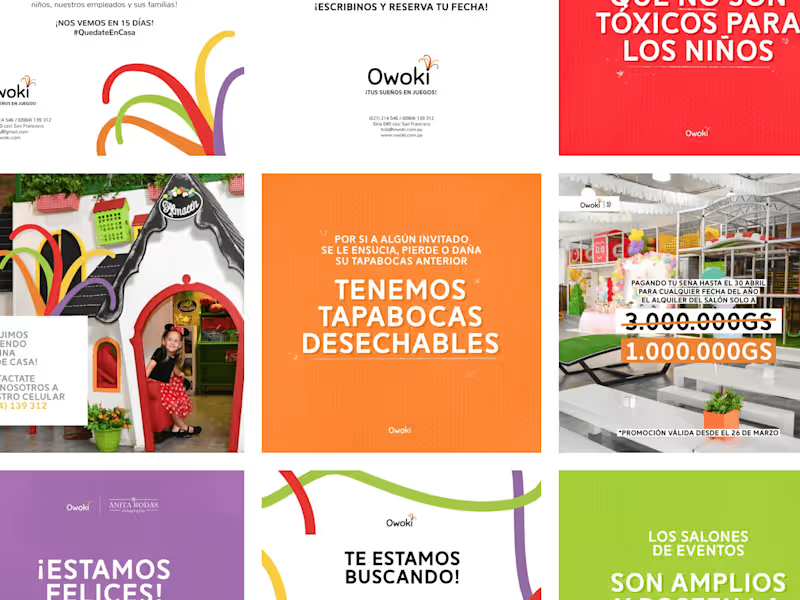
3 Designs for Social Media Launch.
Three designs for social media launch are custom visual assets created to promote the brand's launch on social media platforms. The designs should align with the brand's visual identity and messaging and be optimized for each platform, such as Instagram, Facebook, or Twitter. The designs should also be eye-catching, engaging, and attention-grabbing to stand out in the crowded social media landscape.
Business Card Design.
A business card design is a physical representation of a brand or individual's identity, and serves as a powerful marketing tool in the business world. It typically includes the individual's or company's name, job title, and contact information, such as email, phone number, and website. A well-designed business card should be visually appealing, easy to read, and reflect the brand's overall aesthetic and messaging.
Letterhead Design.
A letterhead is a printed header that typically contains a company's or individual's name, address, and contact information. It's used to create professional-looking correspondence, such as business letters, memos, and invoices. A well-designed letterhead should be simple, elegant, and reflect the brand's overall aesthetic and messaging.
Dorita's other services
Starting at$500
Tags
Adobe Illustrator

Adobe Photoshop

Brand Designer
Service provided by
Dorita Barriocanal Asunción, Paraguay
Branding BasicDorita Barriocanal
A process in which we will develop the brand strategy, design with purpose, and carry out the identity you've always dreamed of, in order to enhance your brand and achieve consistency in both its communication and graphic expression.
The project consists of 4 stages: Discovery, in which we delve into your brand, identify the problem, and gather all the necessary data to develop the strategy; Strategy, in which we thoroughly develop everything that defines your brand and helps it become what it is, including the visual direction, competition analysis, and refining of all necessary elements to begin designing; Development, where we begin to develop the design concepts and proposals; and finally Refinement, which is the last stage of the process in which we can make up to 3 adjustments and changes to the proposals we send you.
What's included
Main Logo.
The main logo is the primary visual representation of a brand, often consisting of a unique symbol or typographic treatment. It is the most recognizable element of the brand identity and should effectively convey the brand's personality, values, and purpose. The design of the main logo should be distinctive, memorable, and versatile, so it can be applied across a variety of mediums and contexts. A well-designed main logo can establish a strong visual identity for the brand and help it stand out in a crowded market.
Logo Variations.
Logo variations are alternative versions of the main logo that have been adapted to suit different applications, contexts, or formats. They are created by modifying certain elements of the main logo, such as color, size, orientation, or layout, while retaining its core visual identity. Logo variations provide flexibility and versatility to the brand identity system, allowing the logo to be used in a range of settings while maintaining its visual coherence and recognizability.
Color System.
A color system is a set of guidelines that define the colors used in a brand's visual identity. It establishes a consistent and cohesive color palette that represents the brand's personality, values, and purpose. A well-designed color system includes a range of colors with specific values, such as RGB, CMYK, or HEX codes, and provides guidance on how to use them in different contexts, such as print, digital, or environmental. The color system may also include rules for color combinations, such as primary and secondary colors, complementary or analogous hues, or gradients and patterns.
Typography System.
A typography system is a set of guidelines that define the fonts and typography used in a brand's visual identity. It establishes a consistent and cohesive typographic palette that represents the brand's personality, values, and purpose.
Graphic Elements.
Graphic elements are visual components that are used in a brand's visual identity to enhance its messaging and create a consistent and cohesive look and feel. These elements can include icons, illustrations, patterns, textures, and other visual motifs that help reinforce the brand's personality, values, and purpose.
Basic Brand Guidelines
A document that have all the important information that you have to have in order to improve communication and awareness of your brand. Mini Brand Usage Manual in PDF version for mobile devices.
3 Designs for Social Media Launch.
Three designs for social media launch are custom visual assets created to promote the brand's launch on social media platforms. The designs should align with the brand's visual identity and messaging and be optimized for each platform, such as Instagram, Facebook, or Twitter. The designs should also be eye-catching, engaging, and attention-grabbing to stand out in the crowded social media landscape.
Business Card Design.
A business card design is a physical representation of a brand or individual's identity, and serves as a powerful marketing tool in the business world. It typically includes the individual's or company's name, job title, and contact information, such as email, phone number, and website. A well-designed business card should be visually appealing, easy to read, and reflect the brand's overall aesthetic and messaging.
Letterhead Design.
A letterhead is a printed header that typically contains a company's or individual's name, address, and contact information. It's used to create professional-looking correspondence, such as business letters, memos, and invoices. A well-designed letterhead should be simple, elegant, and reflect the brand's overall aesthetic and messaging.
Dorita's other services
$500