
QA TestorAmaan Ahmad
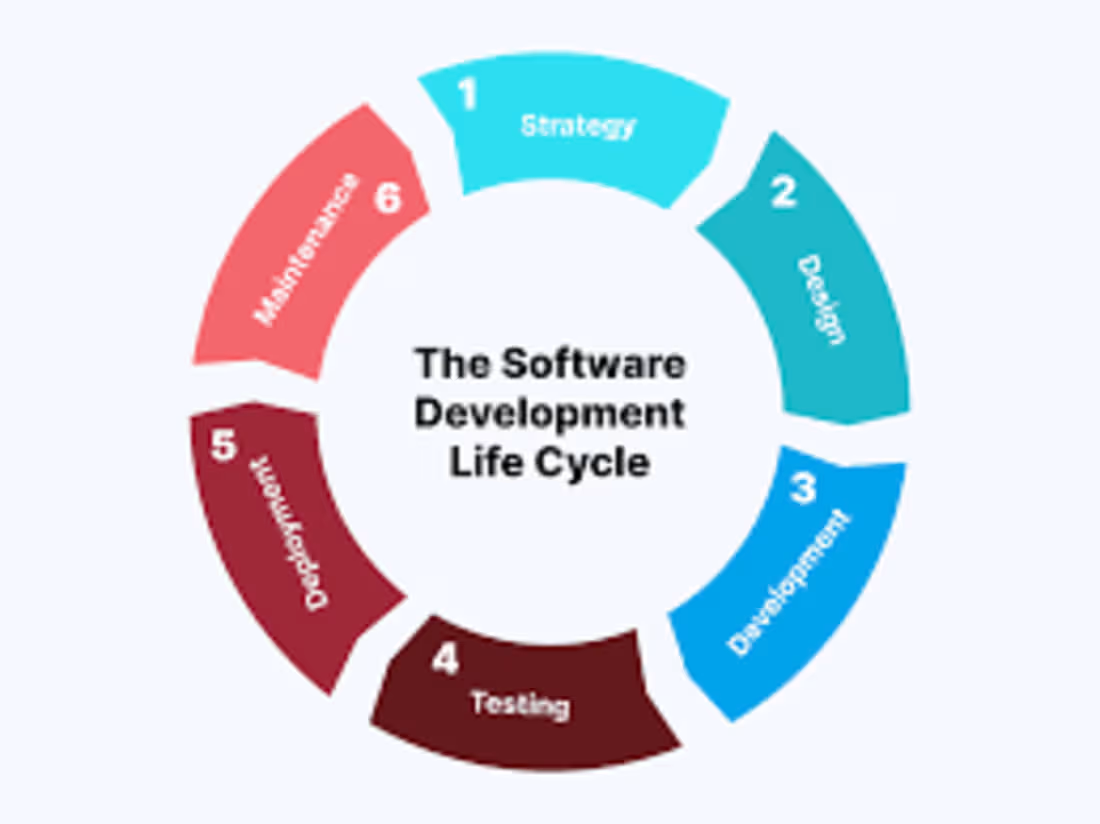
"I am offering comprehensive Quality Assurance services, including meticulous test planning, execution, and detailed documentation of test cases and defects. What sets me apart is a commitment to thoroughness, clear communication, and a keen eye for detail, ensuring a robust and error-free website. My dedication to delivering a seamless user experience, backed by rigorous testing methodologies, distinguishes me as a QA Tester who prioritizes the quality and reliability of your digital solution."
What's included
QA Test Deliverable Package
1. Test Plan:
Comprehensive document outlining the testing approach, strategies, and methodologies.
2. Test Cases:
Detailed test cases covering various scenarios and functionalities of the website.
3. Test Execution Reports:
Documentation of test execution results, including pass/fail status and any issues identified.
4. Defect Reports:
Detailed reports on any bugs or defects found during testing, including steps to reproduce and severity levels.
5. Regression Test Suite:
A set of test cases designed to ensure that new changes do not adversely affect existing functionalities.
6. Performance Test Results:
If applicable, reports on the performance and scalability testing of the website.
7. Security Test Results:
Documentation on security testing, including any vulnerabilities identified and recommended mitigations.
8. Compatibility Test Results:
Information on the compatibility of the website across different browsers, devices, and operating systems.
9. Usability Test Feedback:
Feedback on the user-friendliness and overall user experience of the website.
10. Testing Documentation:
Compilation of all testing-related documents, including test plans, test cases, and execution reports.
11. Recommendations for Improvement:
Suggestions for enhancing the overall quality and performance of the website.
12. Client Training on Testing Procedures:
If required, training documentation or sessions on how to conduct basic testing procedures.
13. Handover Meeting:
A meeting to discuss the testing results, address any questions or concerns, and plan for any necessary retesting.
14. Final QA Summary Report:
A comprehensive summary report highlighting the overall quality of the website and the testing process.
15. Post-Release Support:
Availability for a specified period post-release to address any unforeseen issues or provide additional testing.
Amaan's other services
Starting at$40
Duration2 weeks
Tags
CSS

HTML5

JavaScript

React

WordPress

Frontend Engineer
QA Engineer
QA Tester
Service provided by
Amaan Ahmad New Delhi, India
QA TestorAmaan Ahmad
Starting at$40
Duration2 weeks
Tags
CSS
HTML5
JavaScript
React
WordPress
Frontend Engineer
QA Engineer
QA Tester
"I am offering comprehensive Quality Assurance services, including meticulous test planning, execution, and detailed documentation of test cases and defects. What sets me apart is a commitment to thoroughness, clear communication, and a keen eye for detail, ensuring a robust and error-free website. My dedication to delivering a seamless user experience, backed by rigorous testing methodologies, distinguishes me as a QA Tester who prioritizes the quality and reliability of your digital solution."
What's included
QA Test Deliverable Package
1. Test Plan:
Comprehensive document outlining the testing approach, strategies, and methodologies.
2. Test Cases:
Detailed test cases covering various scenarios and functionalities of the website.
3. Test Execution Reports:
Documentation of test execution results, including pass/fail status and any issues identified.
4. Defect Reports:
Detailed reports on any bugs or defects found during testing, including steps to reproduce and severity levels.
5. Regression Test Suite:
A set of test cases designed to ensure that new changes do not adversely affect existing functionalities.
6. Performance Test Results:
If applicable, reports on the performance and scalability testing of the website.
7. Security Test Results:
Documentation on security testing, including any vulnerabilities identified and recommended mitigations.
8. Compatibility Test Results:
Information on the compatibility of the website across different browsers, devices, and operating systems.
9. Usability Test Feedback:
Feedback on the user-friendliness and overall user experience of the website.
10. Testing Documentation:
Compilation of all testing-related documents, including test plans, test cases, and execution reports.
11. Recommendations for Improvement:
Suggestions for enhancing the overall quality and performance of the website.
12. Client Training on Testing Procedures:
If required, training documentation or sessions on how to conduct basic testing procedures.
13. Handover Meeting:
A meeting to discuss the testing results, address any questions or concerns, and plan for any necessary retesting.
14. Final QA Summary Report:
A comprehensive summary report highlighting the overall quality of the website and the testing process.
15. Post-Release Support:
Availability for a specified period post-release to address any unforeseen issues or provide additional testing.
Amaan's other services
$40