
WEB GRAPHICS AND DESIGN Anna Bosi
From wireframes to polished high-fidelity mockups, I craft immersive online experiences tailored to your vision. I blend creativity and functionality, weaving in captivating visuals, intuitive navigation, and seamless responsiveness across devices.
What's included
Guaranteed services and actions
Project Proposal or Brief: Detailed document outlining project goals, scope, objectives, target audience, and timeline.
Site Architecture or Sitemap: Diagram illustrating the structure and hierarchy of website pages and content.
Wireframes:Basic visual representation of webpage layout, placement of elements, and navigation without design details.
Interactive Prototypes:
Clickable, interactive models of the website to demonstrate functionality and user flow.
High-Fidelity Design Mockups:
Detailed visual designs showcasing the final look, feel, and UI elements of the website.
Color Palette and Typography:
Selection of colors and typography guidelines that maintain consistent branding and visual appeal.
Iconography:
Custom icons or illustrations used throughout the website for a cohesive design.
Images and Graphics:
Curated images and graphics enhancing the visual appeal and storytelling of the website.
Responsive Design:
Designs adapted and optimized for various devices (desktop, tablet, mobile) to ensure a seamless user experience.
UI/UX Design:
Design elements and user interface interactions that enhance user experience and engagement.
Style Guide:
Comprehensive guide detailing design elements, brand guidelines, and usage rules for the website.
Animation and Interactivity:
Animated elements and interactive features to enhance user engagement and visual appeal.
Webpage Templates:
Ready-to-use templates for different page types (homepage, about us, contact, etc.) in line with the design.
Image Assets and Graphics:
Optimized images, icons, and other graphic elements in appropriate formats for website integration.
Final Deliverable Files:
All design files in relevant formats (e.g., PSD, Sketch, XD) for frontend development.
SEO Recommendations:
Suggestions for optimizing the website for search engines, including meta tags, keywords, and site structure.
Accessibility Recommendations:
Guidelines and suggestions to ensure the website is accessible to all users, including those with disabilities.
Example work
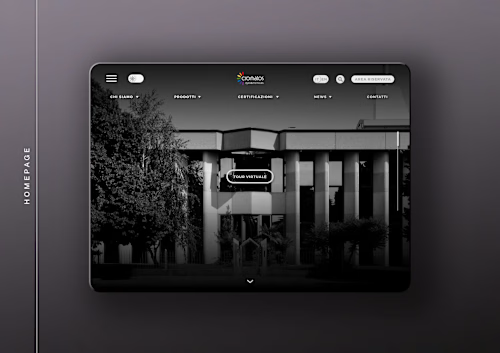


Contact for pricing
Tags
Invision

Sketch

Squarespace

Content Creator
Content Writer
Web Designer
Service provided by
Anna Bosi Milan, Italy
WEB GRAPHICS AND DESIGN Anna Bosi
Contact for pricing
Tags
Invision
Sketch
Squarespace
Content Creator
Content Writer
Web Designer
From wireframes to polished high-fidelity mockups, I craft immersive online experiences tailored to your vision. I blend creativity and functionality, weaving in captivating visuals, intuitive navigation, and seamless responsiveness across devices.
What's included
Guaranteed services and actions
Project Proposal or Brief: Detailed document outlining project goals, scope, objectives, target audience, and timeline.
Site Architecture or Sitemap: Diagram illustrating the structure and hierarchy of website pages and content.
Wireframes:Basic visual representation of webpage layout, placement of elements, and navigation without design details.
Interactive Prototypes:
Clickable, interactive models of the website to demonstrate functionality and user flow.
High-Fidelity Design Mockups:
Detailed visual designs showcasing the final look, feel, and UI elements of the website.
Color Palette and Typography:
Selection of colors and typography guidelines that maintain consistent branding and visual appeal.
Iconography:
Custom icons or illustrations used throughout the website for a cohesive design.
Images and Graphics:
Curated images and graphics enhancing the visual appeal and storytelling of the website.
Responsive Design:
Designs adapted and optimized for various devices (desktop, tablet, mobile) to ensure a seamless user experience.
UI/UX Design:
Design elements and user interface interactions that enhance user experience and engagement.
Style Guide:
Comprehensive guide detailing design elements, brand guidelines, and usage rules for the website.
Animation and Interactivity:
Animated elements and interactive features to enhance user engagement and visual appeal.
Webpage Templates:
Ready-to-use templates for different page types (homepage, about us, contact, etc.) in line with the design.
Image Assets and Graphics:
Optimized images, icons, and other graphic elements in appropriate formats for website integration.
Final Deliverable Files:
All design files in relevant formats (e.g., PSD, Sketch, XD) for frontend development.
SEO Recommendations:
Suggestions for optimizing the website for search engines, including meta tags, keywords, and site structure.
Accessibility Recommendations:
Guidelines and suggestions to ensure the website is accessible to all users, including those with disabilities.
Example work
Contact for pricing