
WORDPRESS WEBSITE DEVELOPMENTMuhammad Qamar Sharif
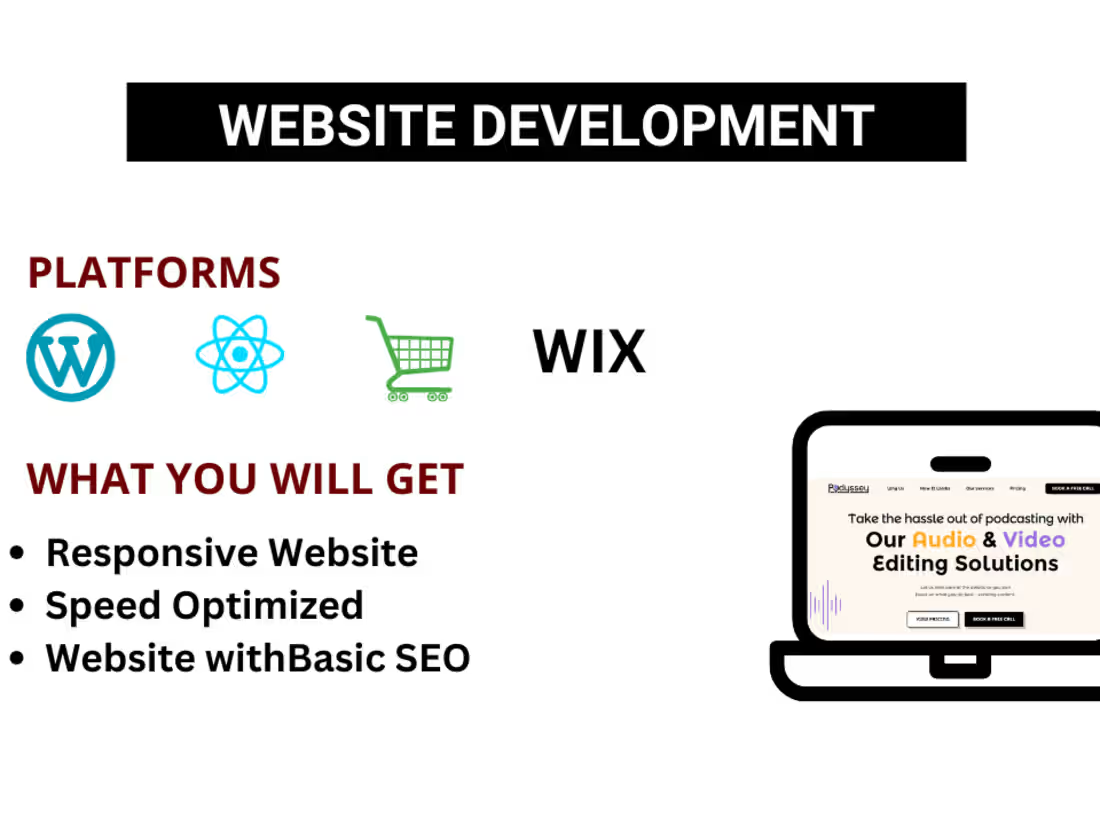
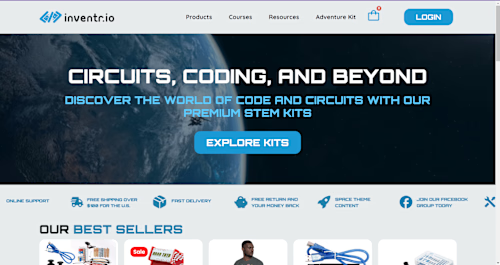
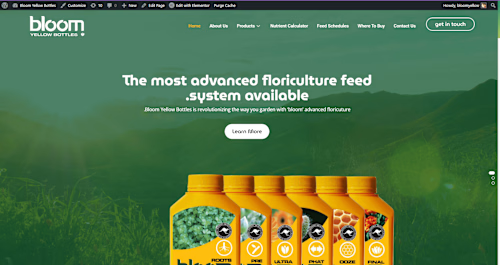
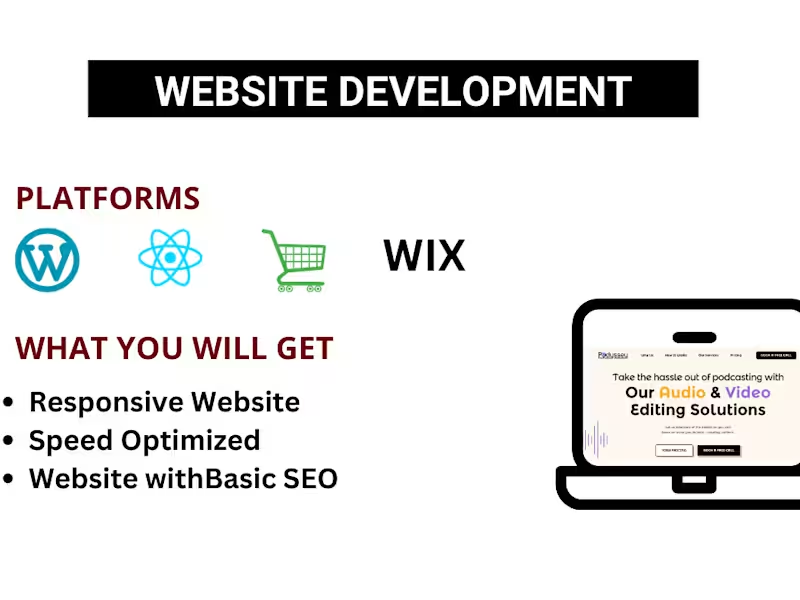
I offer comprehensive web development services, specializing in creating custom websites using a variety of technologies such as HTML, CSS, JavaScript, React, and NextJS. What sets me apart is my ability to seamlessly blend design and functionality, ensuring that each website not only looks stunning but also performs exceptionally well across all devices. With a keen eye for detail and a commitment to delivering top-notch results, I prioritize client satisfaction by offering tailored solutions that exceed expectations. 🌟
What's included
For Complete New Website Development
1. Fully Functional Website: A complete website that meets all the agreed-upon requirements and functionalities.
2. Responsive Design: Ensuring that the website looks and works well across various devices and screen sizes, including desktops, tablets, and mobile phones.
3. Cross-Browser Compatibility: Verification that the website functions correctly on different web browsers such as Chrome, Firefox, Safari, and Edge.
4. Optimized Performance: A website that loads quickly and efficiently, providing an optimal user experience. This includes optimizing images, minimizing code, and implementing caching techniques.
5. SEO Implementation: Basic search engine optimization techniques applied to the website, including meta tags, proper heading structure, and clean URL structures, to enhance its visibility on search engines.
6. Content Management System (CMS): If applicable, integration of a user-friendly CMS like WordPress, Wix, or Shopify, allowing the client to easily update and manage the website content.
7. Quality Assurance Testing: Conducting thorough testing to identify and resolve any bugs, errors, or usability issues before delivering the final product.

Muhammad Qamar's other services
Starting at$100
Duration1 week
Tags
CSS

HTML5

JavaScript

Frontend Engineer
Web Designer
Web Developer
Service provided by
Muhammad Qamar Sharif Multan, Pakistan
WORDPRESS WEBSITE DEVELOPMENTMuhammad Qamar Sharif
Starting at$100
Duration1 week
Tags
CSS
HTML5
JavaScript
Frontend Engineer
Web Designer
Web Developer
I offer comprehensive web development services, specializing in creating custom websites using a variety of technologies such as HTML, CSS, JavaScript, React, and NextJS. What sets me apart is my ability to seamlessly blend design and functionality, ensuring that each website not only looks stunning but also performs exceptionally well across all devices. With a keen eye for detail and a commitment to delivering top-notch results, I prioritize client satisfaction by offering tailored solutions that exceed expectations. 🌟
What's included
For Complete New Website Development
1. Fully Functional Website: A complete website that meets all the agreed-upon requirements and functionalities.
2. Responsive Design: Ensuring that the website looks and works well across various devices and screen sizes, including desktops, tablets, and mobile phones.
3. Cross-Browser Compatibility: Verification that the website functions correctly on different web browsers such as Chrome, Firefox, Safari, and Edge.
4. Optimized Performance: A website that loads quickly and efficiently, providing an optimal user experience. This includes optimizing images, minimizing code, and implementing caching techniques.
5. SEO Implementation: Basic search engine optimization techniques applied to the website, including meta tags, proper heading structure, and clean URL structures, to enhance its visibility on search engines.
6. Content Management System (CMS): If applicable, integration of a user-friendly CMS like WordPress, Wix, or Shopify, allowing the client to easily update and manage the website content.
7. Quality Assurance Testing: Conducting thorough testing to identify and resolve any bugs, errors, or usability issues before delivering the final product.
Muhammad Qamar's other services
$100