
Mastering Google & Facebook Pixel Ads Tracking Pro!MD.Rasel Raza
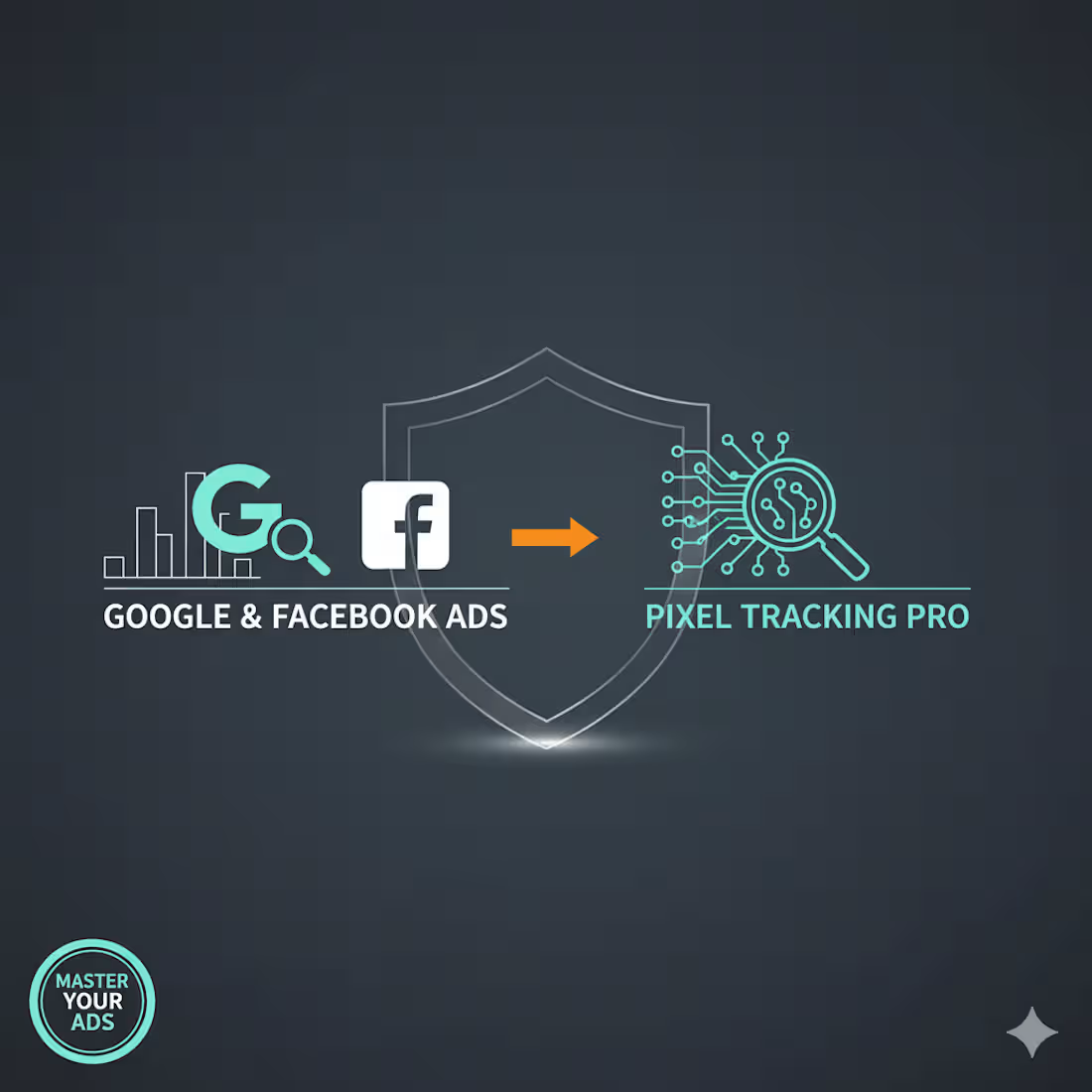
I offer personalized digital marketing services specializing in Google Ads, Facebook Ads, and Pixel Tracking. My approach focuses on strategic planning, accurate audience targeting, and ongoing optimization to drive not just traffic, but real, measurable results that align with your business goals. What truly sets me apart is my dedication to creating customized campaigns, using data-driven insights, and maintaining clear, transparent communication — all aimed at ensuring your long-term online growth and success.
What's included
Pixel Tracking Implementation: Seamless integration of pixel tracking for accurate data collection, analysis, and optimization.
Pixel Tracking Implementation involves the seamless integration of tracking pixels on your website, enabling precise data collection and analysis. This process includes embedding small snippets of code, known as pixels, into specific pages of your site. These pixels then discreetly monitor user interactions, such as page views, clicks, and conversions.
Key components of Pixel Tracking Implementation:
1. Accurate Data Collection:The embedded pixels collect accurate and real-time data on user behavior, allowing you to gain insights into how visitors interact with your website.
2. Conversion Tracking: Pixel tracking enables the tracking of conversions, providing a clear understanding of which actions contribute to your business goals, such as purchases or form submissions.
3. Custom Event Tracking: Tailored implementation of custom events allows you to track specific user interactions that matter most to your business, such as video views, downloads, or scroll depth.
4. Remarketing Opportunities: Pixel tracking lays the foundation for effective remarketing campaigns, allowing you to target users with relevant ads based on their previous interactions with your site.
5. Audience Segmentation: By analyzing pixel data, you can create audience segments based on user behavior, demographics, or other criteria, enabling targeted and personalized marketing strategies.
6. Performance Optimization:The data collected through pixel tracking provides valuable insights for optimizing your website, content, and marketing campaigns to enhance overall performance.
7. Integration with Advertising Platforms:Pixel data is often integrated with advertising platforms like Facebook, Google Ads, and others, enabling more effective ad targeting and measurement of ad campaign success.
8. Privacy Compliance:Implementation is done with consideration for user privacy, ensuring compliance with relevant data protection regulations and respecting user preferences regarding tracking.
Overall, Pixel Tracking Implementation empowers businesses to make informed decisions based on real user data, optimize their online presence, and drive more targeted and effective marketing efforts.
GA4 E-Commerce Setup:
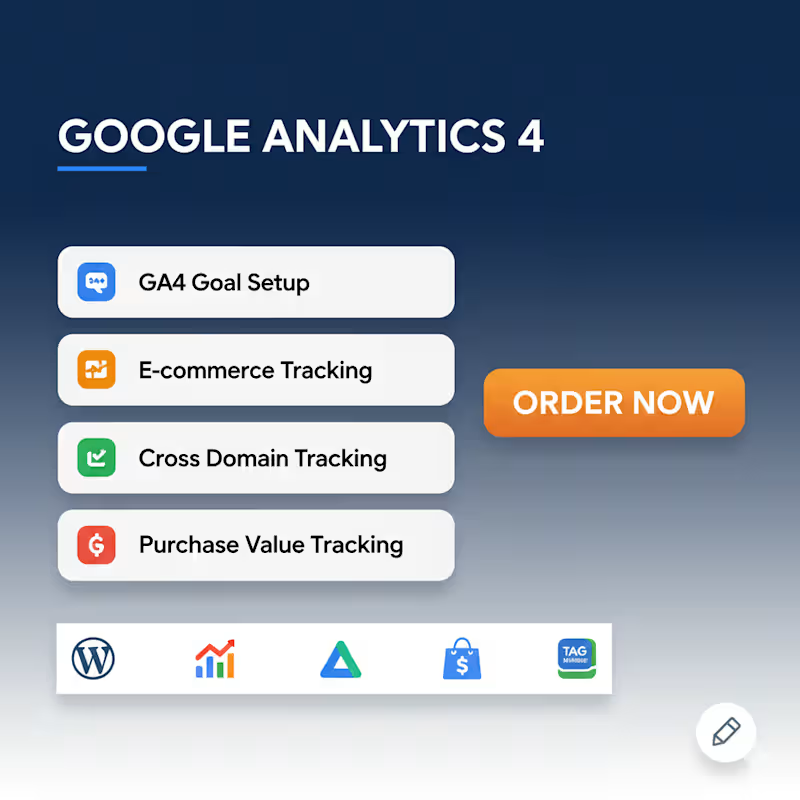
1. GA4 E-Commerce Setup:Implementation of GA4 E-Commerce tracking for your online store to capture crucial transaction data.
2. Enhanced Product Analytics:Detailed insights into product performance, allowing for strategic adjustments based on customer preferences.
3. Conversion Tracking: Accurate tracking of conversion events, providing a clear understanding of the customer journey and key touchpoints.
4. User Behavior Analysis: Comprehensive analysis of user behavior on your e-commerce site, helping to identify opportunities for improvement.
5.Customized Dashboards: Creation of personalized dashboards to visualize key metrics and monitor the health of your e-commerce business.
6. Revenue Attribution: Clear attribution of revenue to specific marketing channels, enabling better-informed investment decisions.
7. Shopping Cart Abandonment Insights: Identification of areas for improvement in the purchase funnel to reduce cart abandonment and enhance the user experience.
8. Cross-Device Tracking: Seamless tracking of user interactions across various devices, providing a holistic view of customer engagement.
9. Event Tracking and Custom Metrics:Tailored event tracking and custom metric setup to align with your unique business goals and KPIs.
10. Training and Documentation:Knowledge transfer sessions and comprehensive documentation to empower your team in utilizing GA4 E-Commerce features effectively.
11. Ongoing Support: Continued support for any post-implementation questions, adjustments, or additional analytics needs that may arise.
FAQs
Starting at$500
Duration1 week
Tags
Facebook Ads

Facebook Pixel

Google Ads

Google Analytics

Digital Marketer
Sales-Driven Marketing
Service provided by
MD.Rasel Raza Bangladesh
- 1
- Followers
Mastering Google & Facebook Pixel Ads Tracking Pro!MD.Rasel Raza
Starting at$500
Duration1 week
Tags
Facebook Ads
Facebook Pixel
Google Ads
Google Analytics
Digital Marketer
Sales-Driven Marketing
I offer personalized digital marketing services specializing in Google Ads, Facebook Ads, and Pixel Tracking. My approach focuses on strategic planning, accurate audience targeting, and ongoing optimization to drive not just traffic, but real, measurable results that align with your business goals. What truly sets me apart is my dedication to creating customized campaigns, using data-driven insights, and maintaining clear, transparent communication — all aimed at ensuring your long-term online growth and success.
What's included
Pixel Tracking Implementation: Seamless integration of pixel tracking for accurate data collection, analysis, and optimization.
Pixel Tracking Implementation involves the seamless integration of tracking pixels on your website, enabling precise data collection and analysis. This process includes embedding small snippets of code, known as pixels, into specific pages of your site. These pixels then discreetly monitor user interactions, such as page views, clicks, and conversions.
Key components of Pixel Tracking Implementation:
1. Accurate Data Collection:The embedded pixels collect accurate and real-time data on user behavior, allowing you to gain insights into how visitors interact with your website.
2. Conversion Tracking: Pixel tracking enables the tracking of conversions, providing a clear understanding of which actions contribute to your business goals, such as purchases or form submissions.
3. Custom Event Tracking: Tailored implementation of custom events allows you to track specific user interactions that matter most to your business, such as video views, downloads, or scroll depth.
4. Remarketing Opportunities: Pixel tracking lays the foundation for effective remarketing campaigns, allowing you to target users with relevant ads based on their previous interactions with your site.
5. Audience Segmentation: By analyzing pixel data, you can create audience segments based on user behavior, demographics, or other criteria, enabling targeted and personalized marketing strategies.
6. Performance Optimization:The data collected through pixel tracking provides valuable insights for optimizing your website, content, and marketing campaigns to enhance overall performance.
7. Integration with Advertising Platforms:Pixel data is often integrated with advertising platforms like Facebook, Google Ads, and others, enabling more effective ad targeting and measurement of ad campaign success.
8. Privacy Compliance:Implementation is done with consideration for user privacy, ensuring compliance with relevant data protection regulations and respecting user preferences regarding tracking.
Overall, Pixel Tracking Implementation empowers businesses to make informed decisions based on real user data, optimize their online presence, and drive more targeted and effective marketing efforts.
GA4 E-Commerce Setup:
1. GA4 E-Commerce Setup:Implementation of GA4 E-Commerce tracking for your online store to capture crucial transaction data.
2. Enhanced Product Analytics:Detailed insights into product performance, allowing for strategic adjustments based on customer preferences.
3. Conversion Tracking: Accurate tracking of conversion events, providing a clear understanding of the customer journey and key touchpoints.
4. User Behavior Analysis: Comprehensive analysis of user behavior on your e-commerce site, helping to identify opportunities for improvement.
5.Customized Dashboards: Creation of personalized dashboards to visualize key metrics and monitor the health of your e-commerce business.
6. Revenue Attribution: Clear attribution of revenue to specific marketing channels, enabling better-informed investment decisions.
7. Shopping Cart Abandonment Insights: Identification of areas for improvement in the purchase funnel to reduce cart abandonment and enhance the user experience.
8. Cross-Device Tracking: Seamless tracking of user interactions across various devices, providing a holistic view of customer engagement.
9. Event Tracking and Custom Metrics:Tailored event tracking and custom metric setup to align with your unique business goals and KPIs.
10. Training and Documentation:Knowledge transfer sessions and comprehensive documentation to empower your team in utilizing GA4 E-Commerce features effectively.
11. Ongoing Support: Continued support for any post-implementation questions, adjustments, or additional analytics needs that may arise.
FAQs
$500