
ConstructionFaizan Chaudhary
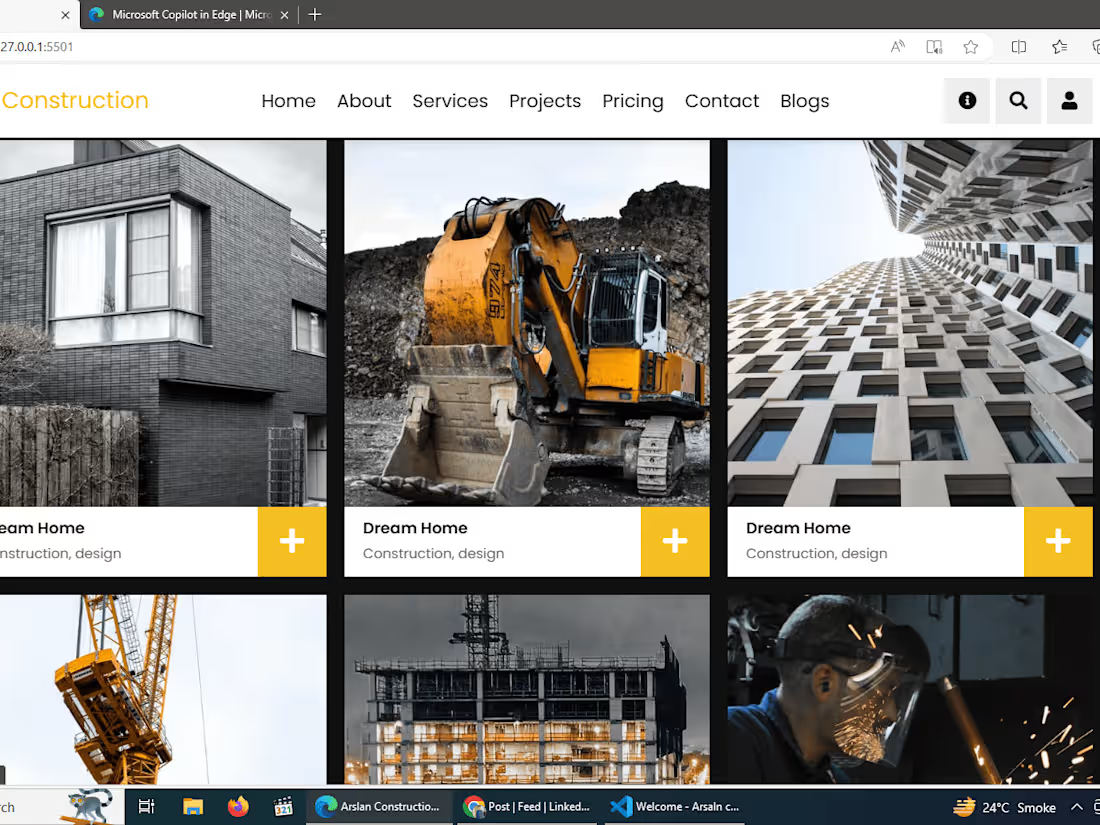
Amidst the echoing hum of machinery and the rhythmic cadence of labor, a symphony of progress resonated across the construction site, where dreams of structures yet unbuilt took shape in the diligent hands of builders.
What's included
Website Design and Development: Custom-designed website with a user-friendly and visually appealing interface. Homepage: Engaging homepage showcasing the company's brand, services, and key projects. About Us Page: Information about the company's history, mission, values, and team members. Services Page: Detailed descriptions of the construction services offered, possibly organized by category. Projects Portfolio: Showcase of completed and ongoing projects, including project details, images, and client testimonials. Contact Page: Contact information, including a contact form, phone number, and possibly a location map.
Responsive Design:
Ensuring the website is optimized for various devices, including desktops, tablets, and mobile phones.
Content Management System (CMS):
Integration of a user-friendly CMS for easy content updates and maintenance.
SEO Optimization:
Implementation of basic search engine optimization to enhance the website's visibility on search engines.
Social Media Integration:
Links to and integration with the company's social media profiles for broader online engagement.
Safety and Compliance Information:
Information about safety practices, certifications, and compliance with industry standards.
Blog/News Section:
Optional section for news updates, blog posts, or articles related to the construction industry.
Testimonials Section:
Display client testimonials and endorsements to build trust and credibility.
Forms for Client Interaction:
Online forms for requesting quotes, inquiries, or job applications.
Downloadable Resources:
If applicable, downloadable resources such as brochures, manuals, or safety guidelines.
Maintenance and Support Documentation:
Documentation on how to update content, troubleshoot common issues, and seek support if needed.
Training (if applicable):
If the website involves user interactions or management, provide training materials for clients or staff.
Launch and Deployment Plan:
A plan for launching the website, including any necessary steps or considerations.
Faizan's other services

Contact for pricing
Tags
HTML5

JavaScript

React

Shopify

Web Designer
Web Developer
Service provided by
Faizan Chaudhary Lahore, Pakistan
ConstructionFaizan Chaudhary
Contact for pricing
Tags
HTML5
JavaScript
React
Shopify
Web Designer
Web Developer
Amidst the echoing hum of machinery and the rhythmic cadence of labor, a symphony of progress resonated across the construction site, where dreams of structures yet unbuilt took shape in the diligent hands of builders.
What's included
Website Design and Development: Custom-designed website with a user-friendly and visually appealing interface. Homepage: Engaging homepage showcasing the company's brand, services, and key projects. About Us Page: Information about the company's history, mission, values, and team members. Services Page: Detailed descriptions of the construction services offered, possibly organized by category. Projects Portfolio: Showcase of completed and ongoing projects, including project details, images, and client testimonials. Contact Page: Contact information, including a contact form, phone number, and possibly a location map.
Responsive Design:
Ensuring the website is optimized for various devices, including desktops, tablets, and mobile phones.
Content Management System (CMS):
Integration of a user-friendly CMS for easy content updates and maintenance.
SEO Optimization:
Implementation of basic search engine optimization to enhance the website's visibility on search engines.
Social Media Integration:
Links to and integration with the company's social media profiles for broader online engagement.
Safety and Compliance Information:
Information about safety practices, certifications, and compliance with industry standards.
Blog/News Section:
Optional section for news updates, blog posts, or articles related to the construction industry.
Testimonials Section:
Display client testimonials and endorsements to build trust and credibility.
Forms for Client Interaction:
Online forms for requesting quotes, inquiries, or job applications.
Downloadable Resources:
If applicable, downloadable resources such as brochures, manuals, or safety guidelines.
Maintenance and Support Documentation:
Documentation on how to update content, troubleshoot common issues, and seek support if needed.
Training (if applicable):
If the website involves user interactions or management, provide training materials for clients or staff.
Launch and Deployment Plan:
A plan for launching the website, including any necessary steps or considerations.
Faizan's other services
Contact for pricing