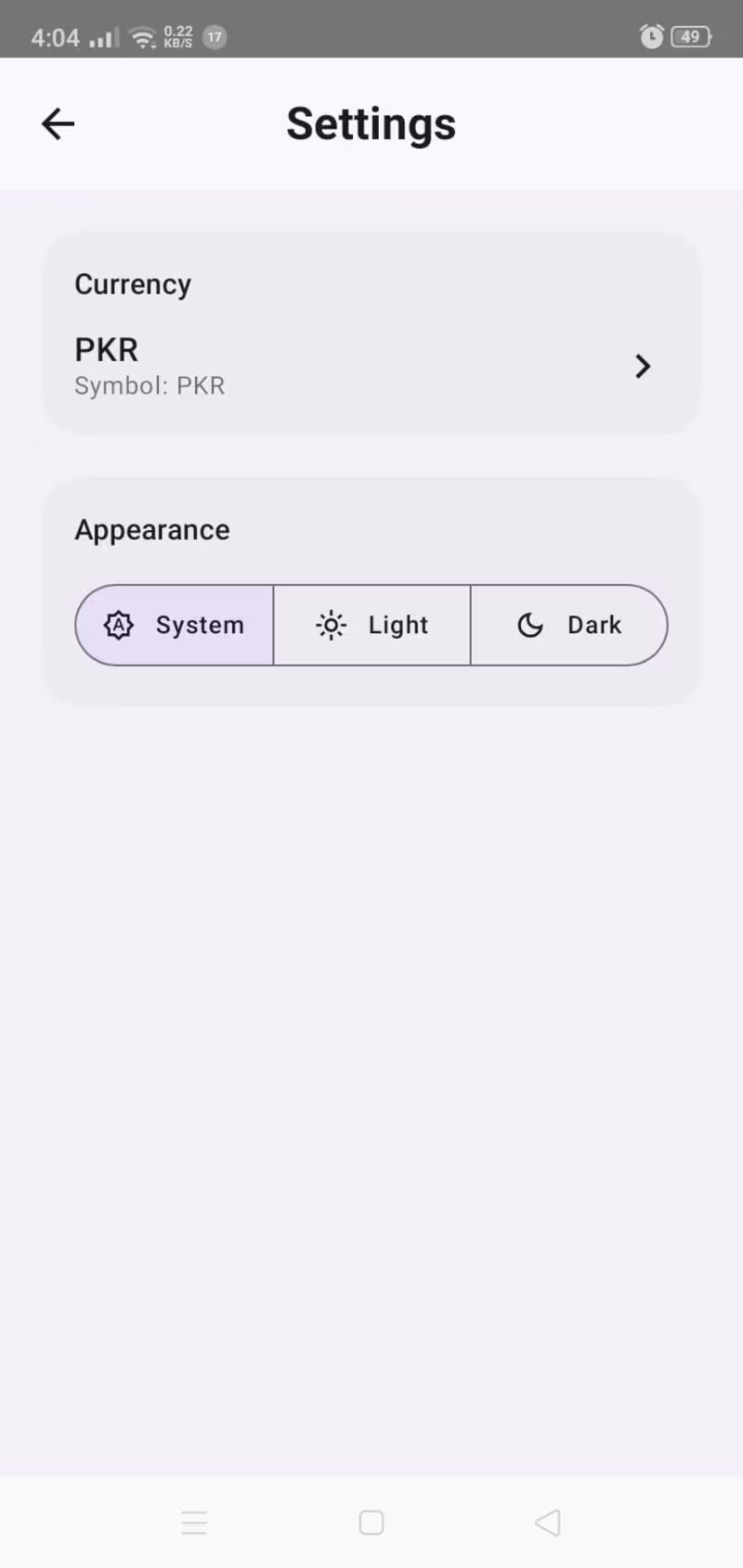
I designed and built this app end to end as a native Android product. It’s offline-first, so every feature works without a connection, and the balance always stays accurate even after edits and deletions. Users can log income and expenses, organize them with default and custom categories, and find anything quickly with date-range filters and search. Behind the clean UI is a tested architecture (Kotlin, Jetpack Compose, Room, Hilt, MVVM), with unit and instrumented tests covering the data layer and view models.
0
73
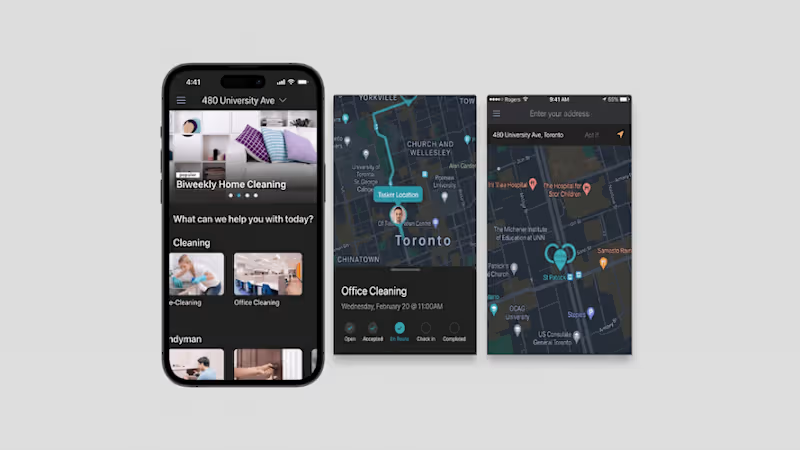
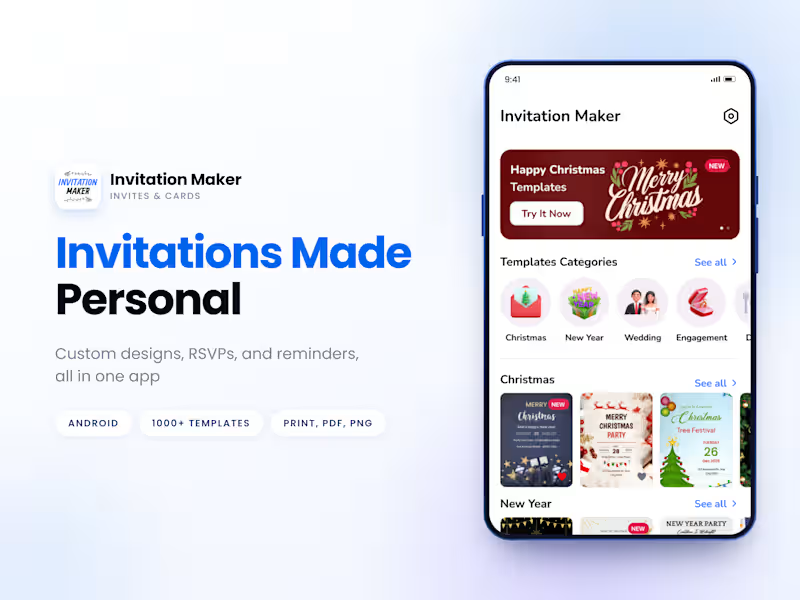
Android app to create and share personalized invitations with custom designs. Implemented Hilt for dependency injection, Room Database, and Ktor for local storage and online features. Used Coroutines, WorkManager, and AlarmManager for smooth background tasks and scheduled notifications. Built a hybrid UI with Jetpack Compose and XML, including custom design elements.
2
0
110

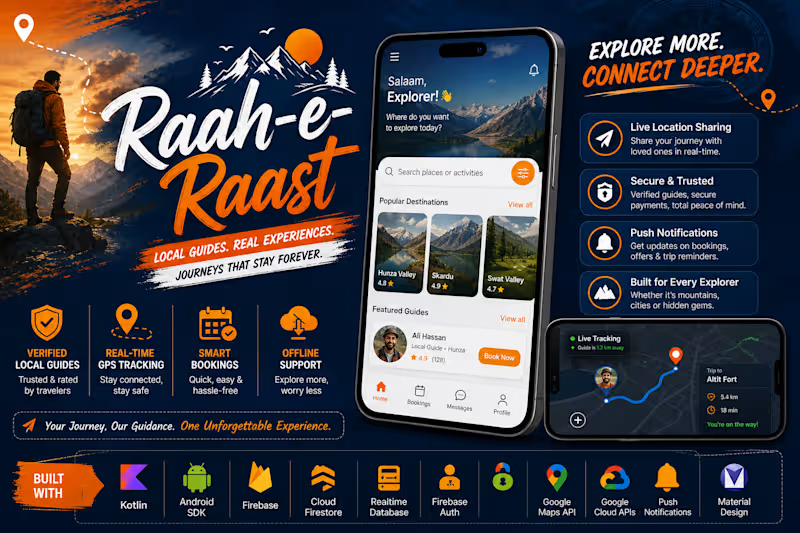
This is a native Android app I built with Kotlin and Firebase. It connects tourists with verified local guides in real time. You open the app, see nearby guides, book a tour, and then you can track each other’s location live using Google Maps. I also added offline support because travel doesn’t always have perfect internet. Over 100 active users ended up using it,during the MVP. The best part? Battery usage was optimized so your phone doesn’t die halfway through the day. Really proud of how smooth it turned out.
For more details, please visit: https://arham-nexus.vercel.app/work/raaheraast
0
88
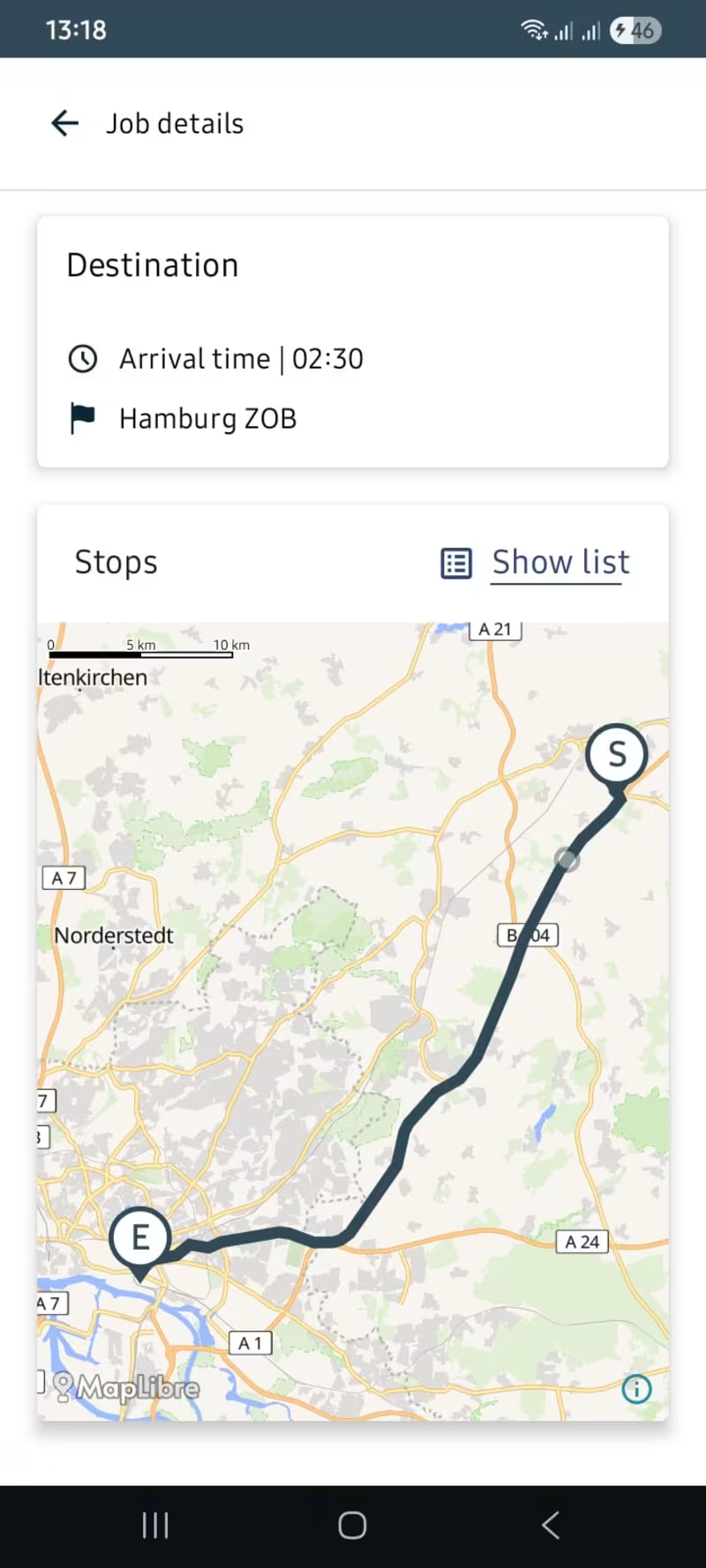
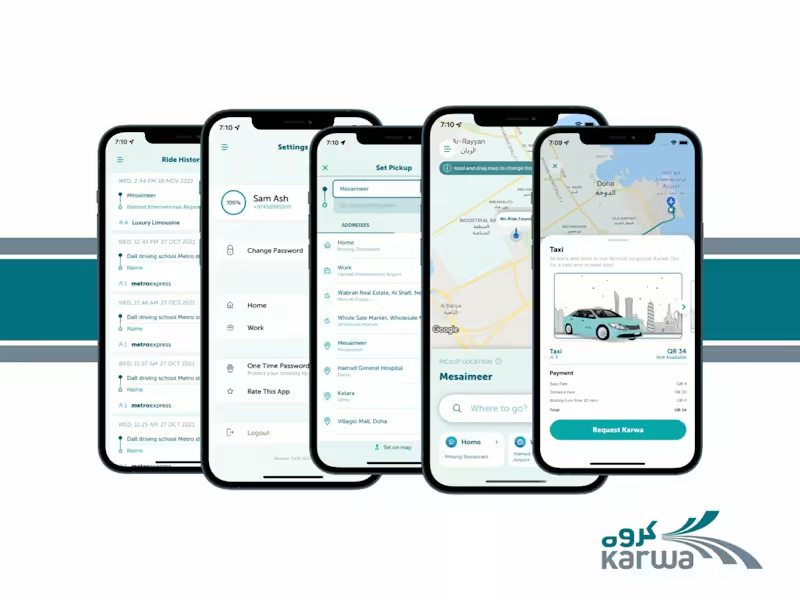
A passenger-focused mobile application designed to help users book and manage trips while providing a smooth experience for planning and tracking their journeys.
I developed the application using Kotlin Multiplatform, Compose Multiplatform, Android, and iOS, allowing shared code and functionality to support both platforms while maintaining a consistent user experience.
The project involved building passenger trip workflows, interactive maps, route visualization, navigation-related functionality, and live location tracking. I worked with the Ferrostar Maps SDK to implement map and routing features and provide passengers with useful journey information throughout their trips.
I also worked on responsive Compose Multiplatform interfaces, application state management, API integration, location-based functionality, and the different requirements involved in building a production-ready passenger application.
The application was structured with a focus on reusable cross-platform components, maintainable architecture, smooth user interactions, and reliable handling of trip and location-related functionality.
This project demonstrates my experience building production-ready Android and iOS applications with Kotlin Multiplatform and Compose Multiplatform, including maps and routing, live location tracking, passenger trip management, API integration, and shared cross-platform development.
0
56


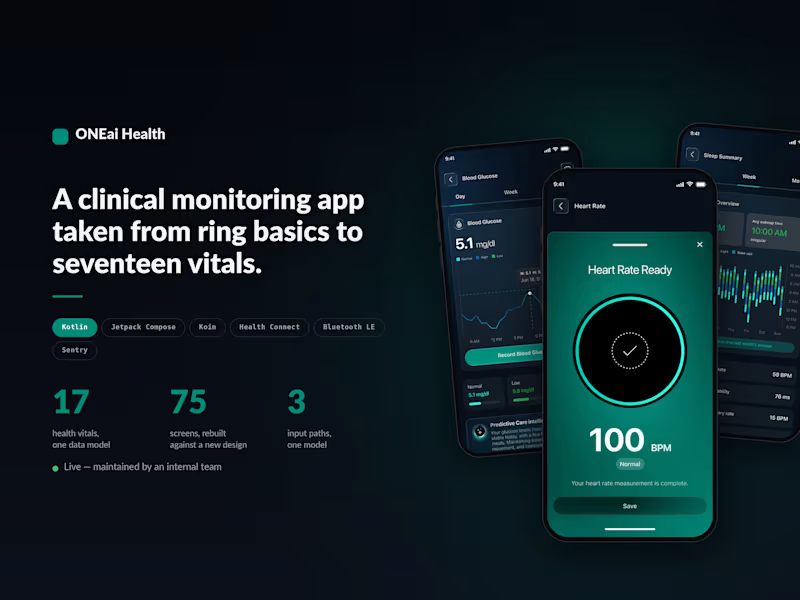
ONEai Health — a clinical monitoring app, from ring basics to seventeen vitals
Patients enrol through their healthcare provider and wear an FDA-cleared smart ring. The app had been live about a year when I joined, and its public reviews weren’t about polish — they were about readings that didn’t arrive and a ring that wouldn’t stay connected.
I came in as primary Android engineer and built most of what the product does today. The core problem was that health data arrived three different ways — the ring over Bluetooth, Android Health Connect, and the patient typing it in — and each path had grown its own handling. I converged all three onto one per-vital model, so every one of the seventeen vitals renders, charts and uploads identically no matter where its numbers came from.
From there: seventeen health-vital surfaces, Health Connect sync, a structured daily diary and an AI chatbot, across roughly seventy-five screens. Then the client brought a new design, and I reimplemented the entire interface against it without touching the business logic underneath — which is the whole argument for keeping the two apart. Live on the App Store and Play Store, now maintained by an internal team
0
34