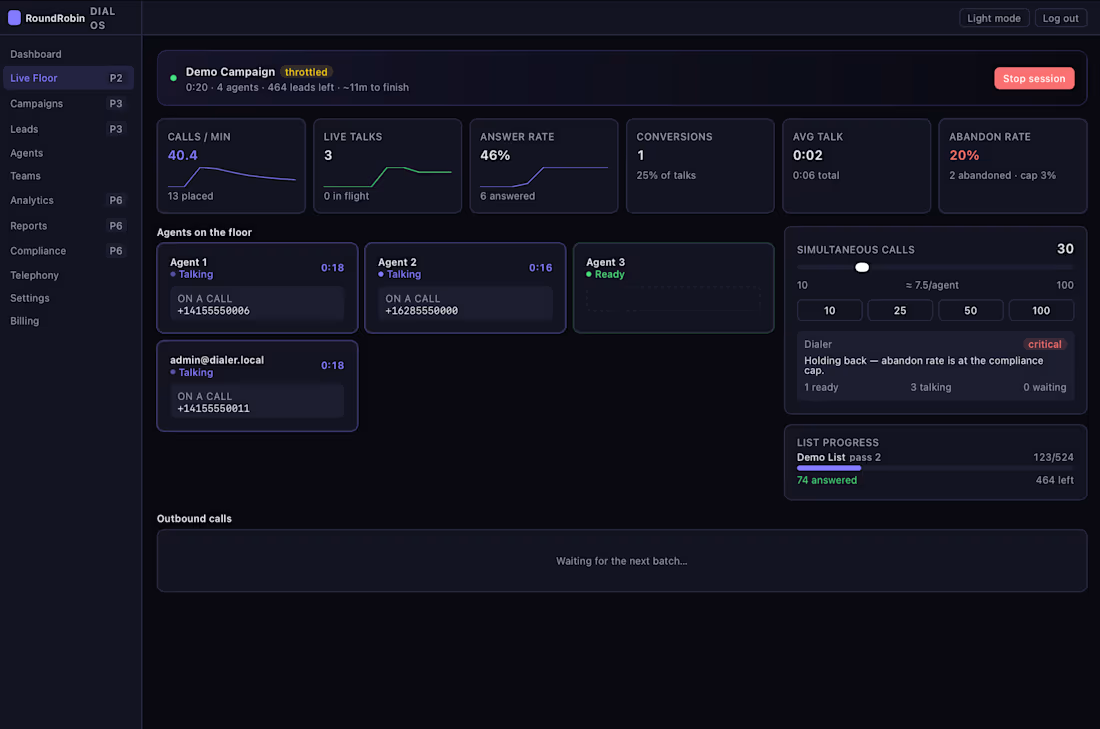
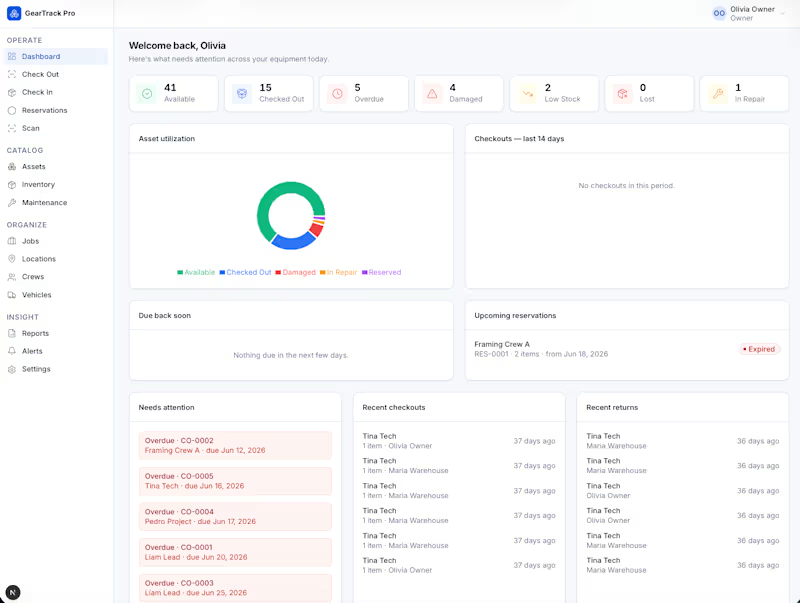
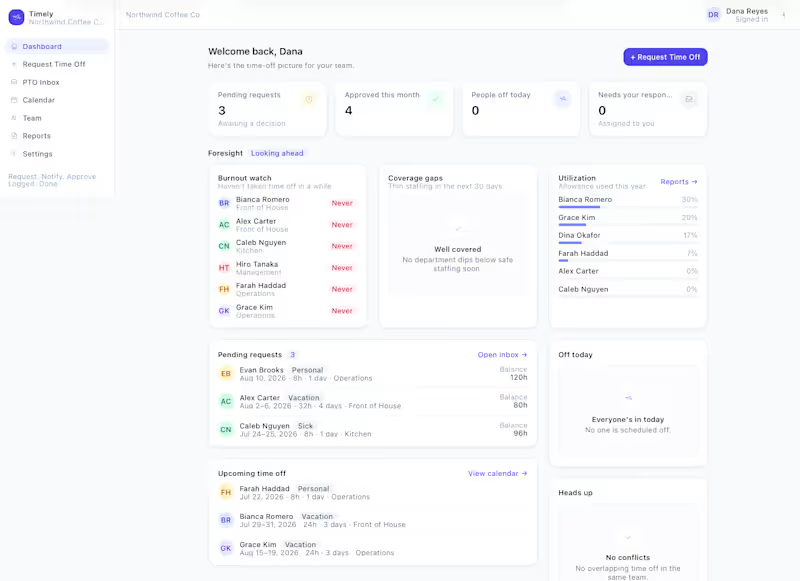
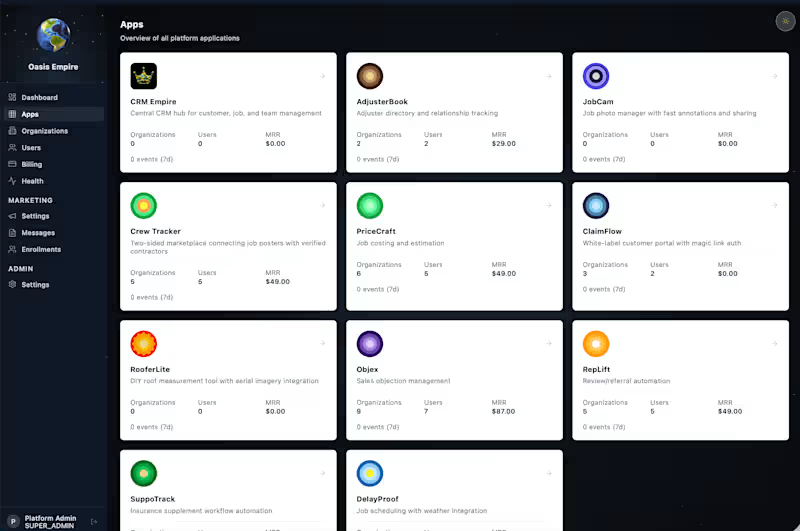
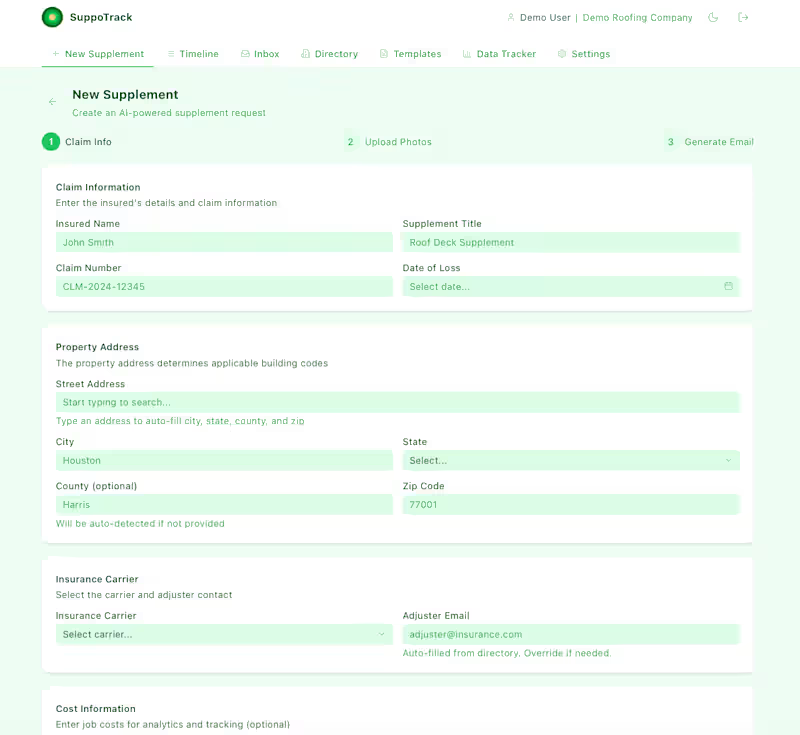
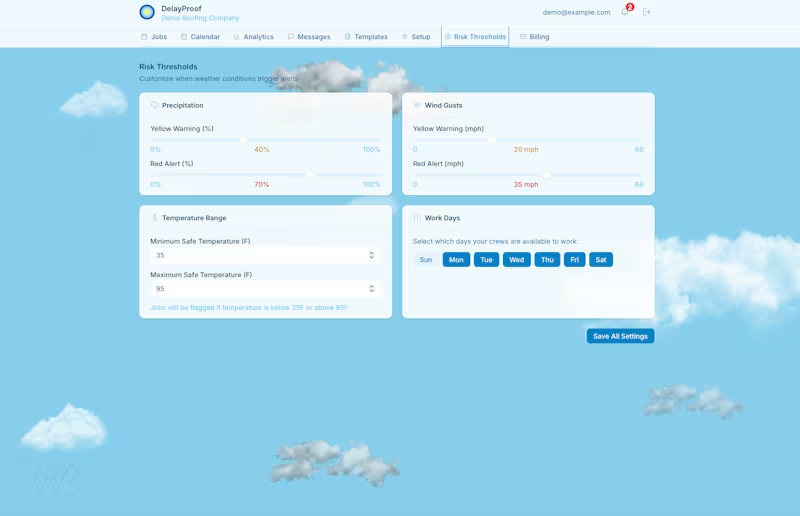
Projects using Twilio in BaltimoreProjects using Twilio in BaltimoreRoundRobin Dial OS places high-volume parallel outbound calls to opted-in leads and instantly routes every live, human-answered call to an available agent. Dial volume is a computed value — the minimum of human capacity, campaign ceilings, answer-probability budget, routing capacity, abandonment budget, provider limits, and compliance gating — never a raw admin input. Managers get a live sales-floor control tower and admins a command center for teams, campaigns, numbers, compliance, and analytics. It is compliance-aware by design with consent tracking, opt-out management, call-window rules, and audit trails. Admins add unique assets and quantity-based inventory and generate QR codes. Field workers scan or search an item, check it out, and assign it to a job, crew, vehicle, person, or location, recording condition and a due date, then check it back in with return condition. The dashboard shows what is available, checked out, overdue, damaged, lost, or low in stock, and every asset carries an immutable history timeline. It includes role-based access, alerts, reports, and CSV import/export, and stays simple enough to use from a phone in seconds. Admins add employees, employees submit PTO requests, and each request appears in an inbox and notifies the assigned manager. Managers approve or deny in the app or through secure one-time approval links sent by email, the decision is recorded, and the employee is notified. A calendar shows who is off and when, and the app tracks simple PTO balances, conflict warnings against departments, blackout dates, and holidays, minimum-notice rules, settings, and CSV reports. It is deliberately scoped to stay a simple approval tool rather than a full HR platform. Admin Portal is a central hub that gives platform administrators visibility into 11 home-services sub-apps at once. It ingests usage, error, and billing events from each app, then presents platform-wide KPIs, MRR and ARR trends, per-app metrics, and cross-app search of organizations and users. Scheduled background jobs poll each app's health, sync organization and user data, and compute daily metric snapshots. Access is separated across super, support, billing, and read-only admin roles. Review & Referral Booster automatically requests reviews and referrals after a job is completed. Customers land on a Review Booster page with a star selector; four- and five-star ratings are routed to the company's Google review link with AI-suggested, one-tap-copy review text, while one-to-three-star ratings are routed to a private feedback form so poor experiences are handled internally. Companies build multi-step SMS and email sequences with timing, templates, and stop rules, triggered by a CRM webhook, CSV import, or a manual mark-complete. Referrals are captured through a homeowner form and tracked through a funnel from submitted to paid, with optional Stripe-based reward payouts, plus branding, opt-out compliance, and an analytics dashboard. Supplement Tracker manages insurance supplements for roofing contractors. Contractors create and track supplements through workflow stages from draft to sent, in review, and approved or denied, organized by insurance carrier and claim job. Supplement letters go to adjusters by email, with inbound replies received via webhook and kept in message threads, and AI provides supplement review, message classification, and draft replies. Automated follow-up sequences, escalation triggers, and homeowner notifications keep claims moving, and the app supports supplement images with annotations, a building code requirements library by jurisdiction, templates, CSV and PDF export, an analytics dashboard, two-factor authentication, and audit logging for compliance.